Buy darios.eu ?
We are moving the project
darios.eu .
Are you interested in purchasing the domain
darios.eu ?
domain@kv-gmbh.de · 0541-91531010
Buy darios.eu ?
Is blue cheese unhealthy?
Blue cheese is not necessarily unhealthy, but it is high in saturated fat and sodium, so it should be consumed in moderation. It is also a good source of calcium and protein. Some people may need to avoid blue cheese if they are sensitive to mold or have certain health conditions that require a low-sodium diet. Overall, enjoying blue cheese as part of a balanced diet is fine, but it's important to be mindful of portion sizes. **
Has the blue cheese expired?
To determine if the blue cheese has expired, you should check the expiration date on the packaging. If the cheese has passed the expiration date, it is likely no longer safe to consume. Additionally, you can also inspect the cheese for any signs of mold, unusual smell, or changes in texture, which can indicate spoilage. If you are unsure, it is best to err on the side of caution and discard the cheese to avoid any potential health risks. **


Similar search terms for Blue
Top-Angebote
Products related to Blue:
-
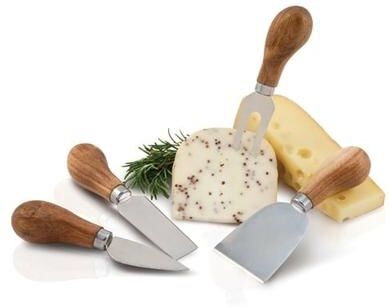
Twine Rustic Farmhouse: Gourmet Cheese KnivesThe Rustic Farmhouse Gourmet Cheese Set is a beautiful collection of four assorted cheese tools. With stainless steel blades and rustic elegant acacia wood handles, this handsome set is perfect for entertaining, gift-giving and picnics!23,19 $*Shipping: 0,00 $Secure redirect to the provider


-
Can cats eat blue cheese?
Cats should not eat blue cheese or any other type of cheese. While small amounts of cheese may not be harmful to cats, many cats are lactose intolerant and can experience digestive issues such as diarrhea or vomiting if they consume dairy products. Additionally, blue cheese contains mold, which can be toxic to cats if ingested. It's best to stick to a balanced diet specifically formulated for cats to ensure their nutritional needs are met. **
-
Can blue cheese go bad?
Yes, blue cheese can go bad. Like all cheeses, blue cheese can spoil if not stored properly. It can develop mold, become slimy, or emit a sour smell when it goes bad. To prevent blue cheese from spoiling, it should be stored in the refrigerator in an airtight container and consumed within a reasonable amount of time. **
-
Can blue cheese be used for melting?
Blue cheese can be used for melting, but it may not melt as smoothly as other cheeses like cheddar or mozzarella. Its strong flavor and crumbly texture can make it a bit challenging to melt evenly. However, blue cheese can still be used in dishes like sauces, dips, or on top of burgers where a creamy and tangy melted cheese is desired. Just be mindful of the heat and make sure to stir frequently to prevent burning. **
-
How can you recognize moldy blue cheese?
Moldy blue cheese can be recognized by its characteristic blue or green veins running throughout the cheese. The mold may also appear as patches or spots on the surface of the cheese. Moldy blue cheese will have a distinct earthy and tangy aroma, which is a sign that it has matured properly. It is important to note that not all molds on blue cheese are harmful, as some are intentionally introduced during the cheese-making process. **

Why does red wine stain the tongue blue?
Red wine contains a pigment called anthocyanin, which is responsible for its red color. When the wine comes into contact with the tongue, the anthocyanin can react with the saliva and the cells on the tongue, causing a chemical reaction that turns the tongue blue. This reaction is similar to the way anthocyanin can change color in the presence of acidic or basic substances, such as in red cabbage juice turning blue in the presence of a base. **
Why do so many people like blue cheese?
Many people like blue cheese because of its unique and strong flavor profile. The distinct tangy and salty taste of blue cheese appeals to those who enjoy bold and complex flavors. Additionally, the creamy texture of blue cheese adds to its appeal, making it a versatile ingredient in various dishes. Its pungent aroma and crumbly texture also contribute to its popularity among cheese enthusiasts. **
Top-Angebote
Products related to Blue:
-
Spode Blue Italian Pasta Bowl - 12 inchSpode Blue Italian 12-Inch Pasta Bowl - Decorative Earthenware Dinnerware with Scenic Border Design - Elegant Blue & White Tableware for Dinner, Snacks, Side Dishes - New Elevate your daily dining rituals with the Spode Blue Italian 12-Inch Pasta...101,00 $*Shipping: 0,00 $Secure redirect to the provider
-
Spode Blue Italian Set of 4 23cm Pasta BowlsThe Spode Blue Italian Set of 4 Pasta Bowls adopt the classic Spode blue and white design in which the brand is renowned for. These plates have a unique design, capturing a historic scene inspired by the Italian countryside with an Oriental border that dates back to the 18th century. The Spode Blue Italian Pasta Bowls are made in the UK and are ideal for everyday use due to their durable and hard-wearing design. Despite boasting a centuries-old heritage, these bowls are made with modern standards in mind, and is of the utmost quality. Made from 100% Earthenware Dishwasher, freezer and microwave safe Oven safe up to 170°C / 340°F / Gas Mark 3 Dimensions: 2cm (H) x 21.5cm (W) x 21.5cm (D)58,80 £*Shipping: 0,00 £Secure redirect to the provider
-
Is blue cheese unhealthy?
Blue cheese is not necessarily unhealthy, but it is high in saturated fat and sodium, so it should be consumed in moderation. It is also a good source of calcium and protein. Some people may need to avoid blue cheese if they are sensitive to mold or have certain health conditions that require a low-sodium diet. Overall, enjoying blue cheese as part of a balanced diet is fine, but it's important to be mindful of portion sizes. **
-
Has the blue cheese expired?
To determine if the blue cheese has expired, you should check the expiration date on the packaging. If the cheese has passed the expiration date, it is likely no longer safe to consume. Additionally, you can also inspect the cheese for any signs of mold, unusual smell, or changes in texture, which can indicate spoilage. If you are unsure, it is best to err on the side of caution and discard the cheese to avoid any potential health risks. **
-
Can cats eat blue cheese?
Cats should not eat blue cheese or any other type of cheese. While small amounts of cheese may not be harmful to cats, many cats are lactose intolerant and can experience digestive issues such as diarrhea or vomiting if they consume dairy products. Additionally, blue cheese contains mold, which can be toxic to cats if ingested. It's best to stick to a balanced diet specifically formulated for cats to ensure their nutritional needs are met. **
-
Can blue cheese go bad?
Yes, blue cheese can go bad. Like all cheeses, blue cheese can spoil if not stored properly. It can develop mold, become slimy, or emit a sour smell when it goes bad. To prevent blue cheese from spoiling, it should be stored in the refrigerator in an airtight container and consumed within a reasonable amount of time. **
Similar search terms for Blue
-
Twine Rustic Farmhouse: Gourmet Cheese KnivesThe Rustic Farmhouse Gourmet Cheese Set is a beautiful collection of four assorted cheese tools. With stainless steel blades and rustic elegant acacia wood handles, this handsome set is perfect for entertaining, gift-giving and picnics!23,19 $*Shipping: 0,00 $Secure redirect to the provider
-
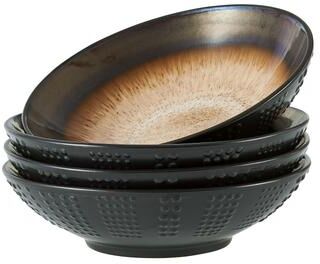
Mikasa Gourmet Basics Gourmet Basics by Mikasa Set of 4 Verona Pasta Bowl, 26 OzDrawing inspiration from the beautiful patterns of nature, this Verona Set of 4 Pasta Bowls by Mikasa features a combination of speckles, dots, and linear striations in rich earth tones.42,32 $*Shipping: 0,00 $Secure redirect to the provider
-
Can blue cheese be used for melting?
Blue cheese can be used for melting, but it may not melt as smoothly as other cheeses like cheddar or mozzarella. Its strong flavor and crumbly texture can make it a bit challenging to melt evenly. However, blue cheese can still be used in dishes like sauces, dips, or on top of burgers where a creamy and tangy melted cheese is desired. Just be mindful of the heat and make sure to stir frequently to prevent burning. **
-
How can you recognize moldy blue cheese?
Moldy blue cheese can be recognized by its characteristic blue or green veins running throughout the cheese. The mold may also appear as patches or spots on the surface of the cheese. Moldy blue cheese will have a distinct earthy and tangy aroma, which is a sign that it has matured properly. It is important to note that not all molds on blue cheese are harmful, as some are intentionally introduced during the cheese-making process. **
-
Why does red wine stain the tongue blue?
Red wine contains a pigment called anthocyanin, which is responsible for its red color. When the wine comes into contact with the tongue, the anthocyanin can react with the saliva and the cells on the tongue, causing a chemical reaction that turns the tongue blue. This reaction is similar to the way anthocyanin can change color in the presence of acidic or basic substances, such as in red cabbage juice turning blue in the presence of a base. **
-
Why do so many people like blue cheese?
Many people like blue cheese because of its unique and strong flavor profile. The distinct tangy and salty taste of blue cheese appeals to those who enjoy bold and complex flavors. Additionally, the creamy texture of blue cheese adds to its appeal, making it a versatile ingredient in various dishes. Its pungent aroma and crumbly texture also contribute to its popularity among cheese enthusiasts. **
* All prices are inclusive of VAT and, if applicable, plus shipping costs. The offer information is based on the details provided by the respective shop and is updated through automated processes. Real-time updates do not occur, so deviations can occur in individual cases. ** Note: Parts of this content were created by AI.