Buy darios.eu ?
We are moving the project
darios.eu .
Are you interested in purchasing the domain
darios.eu ?
domain@kv-gmbh.de · 0541-91531010
Buy darios.eu ?
Is gray pasta moldy?
No, gray pasta is not necessarily moldy. Gray pasta can be the result of the type of flour used, overcooking, or the presence of certain ingredients like whole wheat or buckwheat. Moldy pasta would typically have visible signs of mold growth, such as fuzzy spots or a musty smell. If you are unsure whether your gray pasta is safe to eat, it is best to discard it to avoid any potential health risks. **
Is grey pasta moldy?
No, grey pasta is not necessarily moldy. The color of pasta can change during the cooking process, especially if it is overcooked or if certain ingredients are used, such as whole wheat flour or vegetable-based dyes. Mold on pasta would typically appear as fuzzy spots of green, white, or black, and would have a distinct musty smell. If you suspect your pasta is moldy, it is best to discard it to avoid any potential health risks. **

Similar search terms for Moldy
Top-Angebote
Products related to Moldy:
-
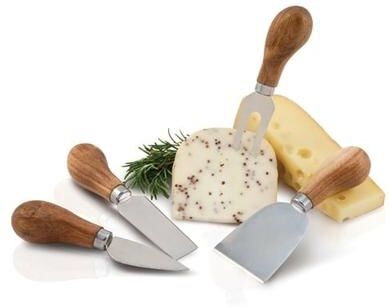
Twine Rustic Farmhouse: Gourmet Cheese KnivesThe Rustic Farmhouse Gourmet Cheese Set is a beautiful collection of four assorted cheese tools. With stainless steel blades and rustic elegant acacia wood handles, this handsome set is perfect for entertaining, gift-giving and picnics!23,19 $*Shipping: 0,00 $Secure redirect to the provider
-
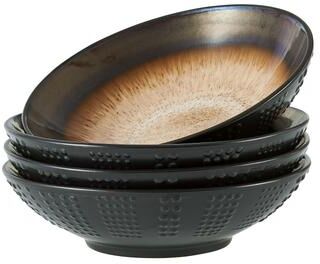
Mikasa Gourmet Basics Gourmet Basics by Mikasa Set of 4 Verona Pasta Bowl, 26 OzDrawing inspiration from the beautiful patterns of nature, this Verona Set of 4 Pasta Bowls by Mikasa features a combination of speckles, dots, and linear striations in rich earth tones.42,32 $*Shipping: 0,00 $Secure redirect to the provider


-
Can moldy cheese mold?
Yes, moldy cheese can continue to mold. Mold spores can spread and grow on the surface of the cheese, especially if it is not stored properly. Moldy cheese should be discarded to prevent the growth of harmful bacteria and to avoid any potential health risks. **
-
Was the cheese moldy?
No, the cheese was not moldy. **
-
Is the cheese moldy?
I'm sorry, but I am unable to physically inspect the cheese to determine if it is moldy. It is best to visually inspect the cheese for any signs of mold, such as green or white spots, and to also check for any unusual smells or textures. If there are any doubts about the cheese's safety, it is best to discard it to avoid any potential health risks. **
-
Is it bad to eat moldy olives?
Yes, it is bad to eat moldy olives. Mold can produce mycotoxins, which are harmful substances that can cause illness if ingested. Consuming moldy olives can lead to symptoms such as nausea, vomiting, diarrhea, and allergic reactions. It is best to discard any olives that show signs of mold and consume only those that are fresh and free of mold. **


What is a moldy wine cork?
A moldy wine cork is a cork that has been contaminated with mold. This can happen when the cork is exposed to moisture and warmth, creating a breeding ground for mold spores. Moldy wine corks can affect the taste and quality of the wine, as the mold can transfer its flavors and aromas to the wine. It is important to inspect wine corks for mold before opening a bottle to ensure the wine is not compromised. **
Why does Emmental cheese get moldy?
Emmental cheese gets moldy because it is a type of cheese that is aged for a long period of time, typically around 3-12 months. During this aging process, the cheese is exposed to various environmental factors such as humidity and temperature fluctuations, which can promote the growth of mold. Additionally, the holes in Emmental cheese provide pockets of air where mold spores can settle and grow. The presence of mold on the surface of the cheese is a natural part of the aging process and is typically safe to consume. **
Top-Angebote
Products related to Moldy:
-
Twine Rustic Farmhouse: Gourmet Cheese KnivesThe Rustic Farmhouse Gourmet Cheese Set is a beautiful collection of four assorted cheese tools. With stainless steel blades and rustic elegant acacia wood handles, this handsome set is perfect for entertaining, gift-giving and picnics!23,19 $*Shipping: 0,00 $Secure redirect to the provider
-
Is gray pasta moldy?
No, gray pasta is not necessarily moldy. Gray pasta can be the result of the type of flour used, overcooking, or the presence of certain ingredients like whole wheat or buckwheat. Moldy pasta would typically have visible signs of mold growth, such as fuzzy spots or a musty smell. If you are unsure whether your gray pasta is safe to eat, it is best to discard it to avoid any potential health risks. **
-
Is grey pasta moldy?
No, grey pasta is not necessarily moldy. The color of pasta can change during the cooking process, especially if it is overcooked or if certain ingredients are used, such as whole wheat flour or vegetable-based dyes. Mold on pasta would typically appear as fuzzy spots of green, white, or black, and would have a distinct musty smell. If you suspect your pasta is moldy, it is best to discard it to avoid any potential health risks. **
-
Can moldy cheese mold?
Yes, moldy cheese can continue to mold. Mold spores can spread and grow on the surface of the cheese, especially if it is not stored properly. Moldy cheese should be discarded to prevent the growth of harmful bacteria and to avoid any potential health risks. **
-
Was the cheese moldy?
No, the cheese was not moldy. **
Similar search terms for Moldy
-
Mikasa Gourmet Basics Gourmet Basics by Mikasa Set of 4 Verona Pasta Bowl, 26 OzDrawing inspiration from the beautiful patterns of nature, this Verona Set of 4 Pasta Bowls by Mikasa features a combination of speckles, dots, and linear striations in rich earth tones.42,32 $*Shipping: 0,00 $Secure redirect to the provider
-
Gourmet Basics by Mikasa Mikasa Gourmet Basics Wine and Charcuterie Serving BoardHost in style with this Gourmet Basics Wine and Charcuterie Serving Board. Beautifully crafted of durable acacia wood, this stunning board is an easy way to serve wine, appetizers, cheese, and more.46,79 $*Shipping: 0,00 $Secure redirect to the provider
-
Spode Blue Italian Pasta Bowl - 12 inchSpode Blue Italian 12-Inch Pasta Bowl - Decorative Earthenware Dinnerware with Scenic Border Design - Elegant Blue & White Tableware for Dinner, Snacks, Side Dishes - New Elevate your daily dining rituals with the Spode Blue Italian 12-Inch Pasta...101,00 $*Shipping: 0,00 $Secure redirect to the provider
-
Is the cheese moldy?
I'm sorry, but I am unable to physically inspect the cheese to determine if it is moldy. It is best to visually inspect the cheese for any signs of mold, such as green or white spots, and to also check for any unusual smells or textures. If there are any doubts about the cheese's safety, it is best to discard it to avoid any potential health risks. **
-
Is it bad to eat moldy olives?
Yes, it is bad to eat moldy olives. Mold can produce mycotoxins, which are harmful substances that can cause illness if ingested. Consuming moldy olives can lead to symptoms such as nausea, vomiting, diarrhea, and allergic reactions. It is best to discard any olives that show signs of mold and consume only those that are fresh and free of mold. **
-
What is a moldy wine cork?
A moldy wine cork is a cork that has been contaminated with mold. This can happen when the cork is exposed to moisture and warmth, creating a breeding ground for mold spores. Moldy wine corks can affect the taste and quality of the wine, as the mold can transfer its flavors and aromas to the wine. It is important to inspect wine corks for mold before opening a bottle to ensure the wine is not compromised. **
-
Why does Emmental cheese get moldy?
Emmental cheese gets moldy because it is a type of cheese that is aged for a long period of time, typically around 3-12 months. During this aging process, the cheese is exposed to various environmental factors such as humidity and temperature fluctuations, which can promote the growth of mold. Additionally, the holes in Emmental cheese provide pockets of air where mold spores can settle and grow. The presence of mold on the surface of the cheese is a natural part of the aging process and is typically safe to consume. **
* All prices are inclusive of VAT and, if applicable, plus shipping costs. The offer information is based on the details provided by the respective shop and is updated through automated processes. Real-time updates do not occur, so deviations can occur in individual cases. ** Note: Parts of this content were created by AI.