Buy darios.eu ?
We are moving the project
darios.eu .
Are you interested in purchasing the domain
darios.eu ?
domain@kv-gmbh.de · 0541-91531010
Buy darios.eu ?
What are those white spots on my olives?
The white spots on olives are most likely yeast or mold growth. This can occur when the olives are exposed to air or moisture, creating the perfect environment for these microorganisms to thrive. While these spots are not harmful and can be scraped off, it is best to discard any olives that have a significant amount of mold growth to avoid any potential health risks. To prevent this from happening in the future, store olives in airtight containers in the refrigerator. **
Does wild wine get brown spots?
Yes, wild wine can develop brown spots due to various factors such as exposure to sunlight, fungal infections, or physical damage. Sunlight can cause the grapes to develop brown spots as a result of sunburn, while fungal infections such as botrytis can also lead to the development of brown spots on the grapes. Additionally, physical damage to the grapes can result in bruising and the formation of brown spots. **


Similar search terms for Spots
Top-Angebote
Products related to Spots:
-
Hi-Line Gift Ltd. Sitting Baby Pig Withblack SpotsDetailed sitting baby pig with black spots. Stunning craftsmanship with realistic details and features. Add a fun and unique element of surprise to your garden, deck, lawn, home, office, or any outdoor space with this exotic statue.40,99 $*Shipping: 0,00 $Secure redirect to the provider


-
What are the white spots on cheese?
The white spots on cheese are typically a type of mold called Penicillium. This mold is intentionally introduced during the cheese-making process to help develop the flavor and texture of certain types of cheese, such as blue cheese and brie. The mold creates a distinctive flavor and adds to the overall character of the cheese. It is safe to eat and is considered a natural part of the aging process for these types of cheeses. **
-
Are red spots on Swiss semi-hard cheese harmful?
Red spots on Swiss semi-hard cheese are typically caused by a harmless bacteria called Propionibacterium. This bacteria is responsible for creating the characteristic holes in Swiss cheese. Therefore, red spots on Swiss cheese are not harmful and are actually a natural part of the cheese-making process. **
-
What are those pink spots in my cottage cheese?
The pink spots in your cottage cheese are most likely caused by a type of bacteria called Pediococcus. This bacteria can produce a pink or red pigment when it grows in acidic environments, such as dairy products like cottage cheese. While the pink spots may not look appealing, they are generally harmless and do not affect the taste or quality of the cottage cheese. However, if you are concerned about the pink spots, it is best to discard the cottage cheese to be safe. **
-
Do regular semolina pasta also have dark spots like whole wheat?
Regular semolina pasta typically does not have dark spots like whole wheat pasta. Semolina pasta is made from durum wheat, which has a lighter color and smoother texture compared to whole wheat. Whole wheat pasta contains the entire wheat kernel, including the bran and germ, which can result in darker spots and a more textured appearance. Therefore, if you are looking for a pasta with a more uniform color and texture, regular semolina pasta may be a better option for you. **

What are the white spots on the edge of the cheese?
The white spots on the edge of the cheese are likely to be a natural occurrence of mold growth. This type of mold is usually harmless and can even contribute to the flavor and texture of the cheese. It is important to note that not all molds are safe to consume, so it's best to consult with a cheese expert or discard the cheese if you are unsure. Additionally, proper storage and handling of cheese can help prevent mold growth. **
What helps against pigment spots or age spots?
To help reduce pigment spots or age spots, it is important to protect your skin from sun exposure by using sunscreen with a high SPF and wearing protective clothing and hats. Additionally, using skincare products with ingredients like vitamin C, retinoids, and niacinamide can help to fade existing spots and prevent new ones from forming. Regular exfoliation can also help to remove dead skin cells and promote skin renewal, which can improve the appearance of pigment spots. Consulting with a dermatologist can also provide personalized recommendations for treating and preventing pigment spots. **
Top-Angebote
Products related to Spots:
-
What are those white spots on my olives?
The white spots on olives are most likely yeast or mold growth. This can occur when the olives are exposed to air or moisture, creating the perfect environment for these microorganisms to thrive. While these spots are not harmful and can be scraped off, it is best to discard any olives that have a significant amount of mold growth to avoid any potential health risks. To prevent this from happening in the future, store olives in airtight containers in the refrigerator. **
-
Does wild wine get brown spots?
Yes, wild wine can develop brown spots due to various factors such as exposure to sunlight, fungal infections, or physical damage. Sunlight can cause the grapes to develop brown spots as a result of sunburn, while fungal infections such as botrytis can also lead to the development of brown spots on the grapes. Additionally, physical damage to the grapes can result in bruising and the formation of brown spots. **
-
What are the white spots on cheese?
The white spots on cheese are typically a type of mold called Penicillium. This mold is intentionally introduced during the cheese-making process to help develop the flavor and texture of certain types of cheese, such as blue cheese and brie. The mold creates a distinctive flavor and adds to the overall character of the cheese. It is safe to eat and is considered a natural part of the aging process for these types of cheeses. **
-
Are red spots on Swiss semi-hard cheese harmful?
Red spots on Swiss semi-hard cheese are typically caused by a harmless bacteria called Propionibacterium. This bacteria is responsible for creating the characteristic holes in Swiss cheese. Therefore, red spots on Swiss cheese are not harmful and are actually a natural part of the cheese-making process. **
Similar search terms for Spots
-
Hi-Line Gift Ltd. Sitting Baby Pig Withblack SpotsDetailed sitting baby pig with black spots. Stunning craftsmanship with realistic details and features. Add a fun and unique element of surprise to your garden, deck, lawn, home, office, or any outdoor space with this exotic statue.40,99 $*Shipping: 0,00 $Secure redirect to the provider
-
ARCILLA ELEMENTAL Gold Resin Leopard Sculpture with Textured SpotsLeopard statue would make a striking centerpiece for your living room coffee table. Designed with felt or rubber stoppers at the base that prevent scratching furniture and table tops, as well as sliding around. This item ships in 1 carton.33,99 $*Shipping: 0,00 $Secure redirect to the provider
-
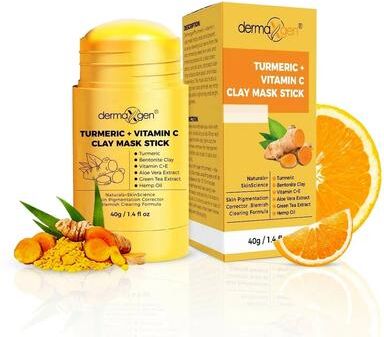
All Categories Goods Turmeric Face Mask Stick Pigmentation & Blemish Corrector For Dark Spots Turmeric Face Mask Stick Pigmentation & Blemish Corrector For Dark SpotsReveal smoother, clearer skin with the Turmeric Face Mask Stickdesigned to target blemishes, dark spots, and uneven skin tone. This innovative formula combines the powerful benefits of turmeric, vitamin C, and aloe vera to visibly brighten your...62,97 $*Shipping: 0,00 $Secure redirect to the provider
-
What are those pink spots in my cottage cheese?
The pink spots in your cottage cheese are most likely caused by a type of bacteria called Pediococcus. This bacteria can produce a pink or red pigment when it grows in acidic environments, such as dairy products like cottage cheese. While the pink spots may not look appealing, they are generally harmless and do not affect the taste or quality of the cottage cheese. However, if you are concerned about the pink spots, it is best to discard the cottage cheese to be safe. **
-
Do regular semolina pasta also have dark spots like whole wheat?
Regular semolina pasta typically does not have dark spots like whole wheat pasta. Semolina pasta is made from durum wheat, which has a lighter color and smoother texture compared to whole wheat. Whole wheat pasta contains the entire wheat kernel, including the bran and germ, which can result in darker spots and a more textured appearance. Therefore, if you are looking for a pasta with a more uniform color and texture, regular semolina pasta may be a better option for you. **
-
What are the white spots on the edge of the cheese?
The white spots on the edge of the cheese are likely to be a natural occurrence of mold growth. This type of mold is usually harmless and can even contribute to the flavor and texture of the cheese. It is important to note that not all molds are safe to consume, so it's best to consult with a cheese expert or discard the cheese if you are unsure. Additionally, proper storage and handling of cheese can help prevent mold growth. **
-
What helps against pigment spots or age spots?
To help reduce pigment spots or age spots, it is important to protect your skin from sun exposure by using sunscreen with a high SPF and wearing protective clothing and hats. Additionally, using skincare products with ingredients like vitamin C, retinoids, and niacinamide can help to fade existing spots and prevent new ones from forming. Regular exfoliation can also help to remove dead skin cells and promote skin renewal, which can improve the appearance of pigment spots. Consulting with a dermatologist can also provide personalized recommendations for treating and preventing pigment spots. **
* All prices are inclusive of VAT and, if applicable, plus shipping costs. The offer information is based on the details provided by the respective shop and is updated through automated processes. Real-time updates do not occur, so deviations can occur in individual cases. ** Note: Parts of this content were created by AI.