Buy darios.eu ?
We are moving the project
darios.eu .
Are you interested in purchasing the domain
darios.eu ?
domain@kv-gmbh.de · 0541-91531010
Buy darios.eu ?
What does the white edge on cheese mean?
The white edge on cheese is typically a natural occurrence and is known as blooming or bloomy rind. It is caused by beneficial mold growth, such as Penicillium candidum, which helps to develop the flavor and texture of the cheese. This mold forms a protective layer on the surface of the cheese, allowing it to ripen from the outside in. The presence of the white edge is a sign that the cheese is maturing properly and developing its unique characteristics. **
What does the white edge on the cheese mean?
The white edge on cheese is typically a natural rind that forms during the aging process. It can be a sign of good quality and proper aging, as it indicates that the cheese has been allowed to develop its flavors and textures. The white edge can also provide a unique and complex flavor profile to the cheese, adding to its overall appeal. Additionally, the rind can help protect the cheese and preserve its freshness. **
Similar search terms for Edge
Top-Angebote
Products related to Edge:
-
Twine Rustic Farmhouse: Gourmet Cheese KnivesThe Rustic Farmhouse Gourmet Cheese Set is a beautiful collection of four assorted cheese tools. With stainless steel blades and rustic elegant acacia wood handles, this handsome set is perfect for entertaining, gift-giving and picnics!23,19 $*Shipping: 0,00 $Secure redirect to the provider

-
How do you sew leather edge to edge?
To sew leather edge to edge, you will need a leather needle, heavy-duty thread, and a leather sewing machine or a heavy-duty sewing machine with a leather sewing foot. First, align the edges of the leather pieces and secure them in place with clips or pins. Then, use a leather sewing machine or a heavy-duty sewing machine with a leather sewing foot to sew the edges together using a straight stitch. Make sure to use a longer stitch length and go slowly to ensure even stitching. Finally, backstitch at the beginning and end of the seam to secure the stitches. **
-
Is it bad to eat Gouda cheese with a plastic edge?
It is not recommended to eat Gouda cheese with a plastic edge as the plastic could potentially contain harmful chemicals that may leach into the cheese. It is always best to remove any plastic packaging before consuming the cheese to avoid any potential health risks. Additionally, the plastic edge may affect the taste and texture of the cheese, detracting from the overall enjoyment of the food. **
-
What are the white spots on the edge of the cheese?
The white spots on the edge of the cheese are likely to be a natural occurrence of mold growth. This type of mold is usually harmless and can even contribute to the flavor and texture of the cheese. It is important to note that not all molds are safe to consume, so it's best to consult with a cheese expert or discard the cheese if you are unsure. Additionally, proper storage and handling of cheese can help prevent mold growth. **
-
Which dimmer is used, leading edge or trailing edge?
The dimmer used can vary depending on the type of lighting fixture being controlled. Leading edge dimmers are typically used with incandescent and halogen bulbs, while trailing edge dimmers are more commonly used with LED and CFL bulbs. It is important to match the dimmer type with the appropriate lighting technology to ensure optimal performance and compatibility. **
How do I apply edge banding to edge banding?
To apply edge banding to a surface, you will need to first cut the edge banding to the desired length and width of the surface you are covering. Next, use a hot iron or edge banding machine to apply heat to the edge banding and press it firmly onto the surface. Use a roller or edge banding trimmer to ensure the edge banding is securely attached and trim any excess material. Finally, allow the edge banding to cool and set before using the surface. **
Which dimmer is used, leading-edge or trailing-edge?
Trailing-edge dimmers are typically used for LED and electronic low-voltage lighting, as they provide a smoother dimming experience and help prevent flickering. On the other hand, leading-edge dimmers are more commonly used for incandescent and halogen lighting. The choice between leading-edge and trailing-edge dimmers depends on the type of lighting being used and the desired dimming performance. **
Top-Angebote
Products related to Edge:
-
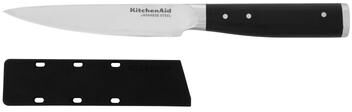
KitchenAid Gourmet Forged Fine-Edge Utility Knife, 4.5-Inch, BlackA food prep essential, this KitchenAid 4-1/2 Inch Utility Knife features a high-carbon Japanese steel blade hardened and tempered to provide a long lasting edge for a professional, quality cut every time.24,20 $*Shipping: 0,00 $Secure redirect to the provider
-
Twine Rustic Farmhouse: Gourmet Cheese KnivesThe Rustic Farmhouse Gourmet Cheese Set is a beautiful collection of four assorted cheese tools. With stainless steel blades and rustic elegant acacia wood handles, this handsome set is perfect for entertaining, gift-giving and picnics!23,19 $*Shipping: 0,00 $Secure redirect to the provider
-
What does the white edge on cheese mean?
The white edge on cheese is typically a natural occurrence and is known as blooming or bloomy rind. It is caused by beneficial mold growth, such as Penicillium candidum, which helps to develop the flavor and texture of the cheese. This mold forms a protective layer on the surface of the cheese, allowing it to ripen from the outside in. The presence of the white edge is a sign that the cheese is maturing properly and developing its unique characteristics. **
-
What does the white edge on the cheese mean?
The white edge on cheese is typically a natural rind that forms during the aging process. It can be a sign of good quality and proper aging, as it indicates that the cheese has been allowed to develop its flavors and textures. The white edge can also provide a unique and complex flavor profile to the cheese, adding to its overall appeal. Additionally, the rind can help protect the cheese and preserve its freshness. **
-
How do you sew leather edge to edge?
To sew leather edge to edge, you will need a leather needle, heavy-duty thread, and a leather sewing machine or a heavy-duty sewing machine with a leather sewing foot. First, align the edges of the leather pieces and secure them in place with clips or pins. Then, use a leather sewing machine or a heavy-duty sewing machine with a leather sewing foot to sew the edges together using a straight stitch. Make sure to use a longer stitch length and go slowly to ensure even stitching. Finally, backstitch at the beginning and end of the seam to secure the stitches. **
-
Is it bad to eat Gouda cheese with a plastic edge?
It is not recommended to eat Gouda cheese with a plastic edge as the plastic could potentially contain harmful chemicals that may leach into the cheese. It is always best to remove any plastic packaging before consuming the cheese to avoid any potential health risks. Additionally, the plastic edge may affect the taste and texture of the cheese, detracting from the overall enjoyment of the food. **
Similar search terms for Edge
-
What are the white spots on the edge of the cheese?
The white spots on the edge of the cheese are likely to be a natural occurrence of mold growth. This type of mold is usually harmless and can even contribute to the flavor and texture of the cheese. It is important to note that not all molds are safe to consume, so it's best to consult with a cheese expert or discard the cheese if you are unsure. Additionally, proper storage and handling of cheese can help prevent mold growth. **
-
Which dimmer is used, leading edge or trailing edge?
The dimmer used can vary depending on the type of lighting fixture being controlled. Leading edge dimmers are typically used with incandescent and halogen bulbs, while trailing edge dimmers are more commonly used with LED and CFL bulbs. It is important to match the dimmer type with the appropriate lighting technology to ensure optimal performance and compatibility. **
-
How do I apply edge banding to edge banding?
To apply edge banding to a surface, you will need to first cut the edge banding to the desired length and width of the surface you are covering. Next, use a hot iron or edge banding machine to apply heat to the edge banding and press it firmly onto the surface. Use a roller or edge banding trimmer to ensure the edge banding is securely attached and trim any excess material. Finally, allow the edge banding to cool and set before using the surface. **
-
Which dimmer is used, leading-edge or trailing-edge?
Trailing-edge dimmers are typically used for LED and electronic low-voltage lighting, as they provide a smoother dimming experience and help prevent flickering. On the other hand, leading-edge dimmers are more commonly used for incandescent and halogen lighting. The choice between leading-edge and trailing-edge dimmers depends on the type of lighting being used and the desired dimming performance. **
* All prices are inclusive of VAT and, if applicable, plus shipping costs. The offer information is based on the details provided by the respective shop and is updated through automated processes. Real-time updates do not occur, so deviations can occur in individual cases. ** Note: Parts of this content were created by AI.