Buy darios.eu ?
We are moving the project
darios.eu .
Are you interested in purchasing the domain
darios.eu ?
domain@kv-gmbh.de · 0541-91531010
Buy darios.eu ?
What is saltatory conduction?
Saltatory conduction is a process by which nerve impulses travel down a myelinated axon. Instead of traveling in a continuous manner, the nerve impulse jumps from one node of Ranvier to the next, which are the gaps in the myelin sheath. This allows for faster conduction of the nerve impulse, as it does not have to travel the entire length of the axon. Saltatory conduction is an efficient way for nerve impulses to travel, and it is a key mechanism for rapid communication within the nervous system. **
Why does saltatory conduction require less energy than continuous conduction?
Saltatory conduction requires less energy than continuous conduction because it occurs in myelinated neurons, which have gaps called nodes of Ranvier. In saltatory conduction, the action potential jumps from one node to the next, skipping the myelinated regions in between. This allows for faster transmission of the action potential and reduces the amount of energy needed to propagate the signal along the axon. In contrast, continuous conduction occurs in unmyelinated neurons and requires the action potential to travel along the entire length of the axon, resulting in a slower and more energy-intensive process. **

Similar search terms for Saltatory
Top-Angebote
Products related to Saltatory:
-
Twine Rustic Farmhouse: Gourmet Cheese KnivesThe Rustic Farmhouse Gourmet Cheese Set is a beautiful collection of four assorted cheese tools. With stainless steel blades and rustic elegant acacia wood handles, this handsome set is perfect for entertaining, gift-giving and picnics!23,19 $*Shipping: 0,00 $Secure redirect to the provider
-
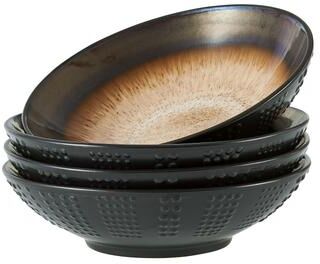
Mikasa Gourmet Basics Gourmet Basics by Mikasa Set of 4 Verona Pasta Bowl, 26 OzDrawing inspiration from the beautiful patterns of nature, this Verona Set of 4 Pasta Bowls by Mikasa features a combination of speckles, dots, and linear striations in rich earth tones.42,32 $*Shipping: 0,00 $Secure redirect to the provider



-
How are the structure and function of saltatory conduction related?
The structure and function of saltatory conduction are related in that the structure of myelinated axons allows for the function of rapid and efficient nerve impulse transmission. The myelin sheath, which is the structure of myelinated axons, acts as an insulating layer that increases the speed of nerve impulse conduction. This allows for the function of saltatory conduction, where the nerve impulse jumps from one node of Ranvier to the next, rather than traveling continuously along the entire length of the axon. This results in faster and more efficient transmission of nerve impulses, which is essential for quick and coordinated responses in the nervous system. **
-
What is the difference between saltatory and continuous conduction of excitation?
Saltatory conduction is a faster method of transmitting nerve impulses where the action potential jumps from one node of Ranvier to the next in myelinated neurons. This allows for quicker transmission of signals compared to continuous conduction, where the action potential travels along the entire length of the unmyelinated neuron. Continuous conduction is slower because the action potential must travel through every part of the neuron, while saltatory conduction is faster and more energy-efficient due to the insulation provided by the myelin sheath. **
-
What are the advantages and disadvantages of saltatory and continuous conduction of stimuli?
The advantage of saltatory conduction is that it is faster and more energy-efficient than continuous conduction. This is because the action potential jumps from one node of Ranvier to the next, rather than traveling along the entire length of the axon. However, the disadvantage is that it requires a myelin sheath, which is not present in all neurons. Continuous conduction, on the other hand, is slower and requires more energy, but it can occur in unmyelinated neurons. Overall, saltatory conduction is more efficient, while continuous conduction is more universal. **
-
Does active and passive excitation have anything to do with saltatory and continuous excitation conduction?
Yes, active and passive excitation are related to saltatory and continuous excitation conduction. Active excitation occurs when an action potential is generated and propagated along the entire length of the axon, resulting in continuous excitation conduction. On the other hand, passive excitation occurs when the action potential is only generated at the nodes of Ranvier in myelinated axons, leading to saltatory excitation conduction. In saltatory conduction, the action potential "jumps" from one node to the next, allowing for faster conduction of the signal. Therefore, the type of excitation (active or passive) is directly related to the type of excitation conduction (continuous or saltatory). **


Is Parmesan the best cheese for pasta?
Parmesan is a popular choice for pasta due to its strong, salty flavor and ability to melt easily. However, whether it is the best cheese for pasta is subjective and depends on personal preference. Other cheeses like Pecorino Romano, Grana Padano, or even a combination of different cheeses can also be delicious options for pasta dishes. Ultimately, the best cheese for pasta is the one that you enjoy the most. **
With which cheese do you eat pasta?
Parmesan cheese is a popular choice to sprinkle on top of pasta dishes. Its nutty and salty flavor complements the pasta well, enhancing the overall taste of the dish. Other cheeses like Pecorino Romano or Grana Padano can also be used to add a rich and savory element to pasta dishes. Ultimately, the choice of cheese depends on personal preference and the specific flavors you want to highlight in your pasta dish. **
Top-Angebote
Products related to Saltatory:
-
Twine Rustic Farmhouse: Gourmet Cheese KnivesThe Rustic Farmhouse Gourmet Cheese Set is a beautiful collection of four assorted cheese tools. With stainless steel blades and rustic elegant acacia wood handles, this handsome set is perfect for entertaining, gift-giving and picnics!23,19 $*Shipping: 0,00 $Secure redirect to the provider
-
What is saltatory conduction?
Saltatory conduction is a process by which nerve impulses travel down a myelinated axon. Instead of traveling in a continuous manner, the nerve impulse jumps from one node of Ranvier to the next, which are the gaps in the myelin sheath. This allows for faster conduction of the nerve impulse, as it does not have to travel the entire length of the axon. Saltatory conduction is an efficient way for nerve impulses to travel, and it is a key mechanism for rapid communication within the nervous system. **
-
Why does saltatory conduction require less energy than continuous conduction?
Saltatory conduction requires less energy than continuous conduction because it occurs in myelinated neurons, which have gaps called nodes of Ranvier. In saltatory conduction, the action potential jumps from one node to the next, skipping the myelinated regions in between. This allows for faster transmission of the action potential and reduces the amount of energy needed to propagate the signal along the axon. In contrast, continuous conduction occurs in unmyelinated neurons and requires the action potential to travel along the entire length of the axon, resulting in a slower and more energy-intensive process. **
-
How are the structure and function of saltatory conduction related?
The structure and function of saltatory conduction are related in that the structure of myelinated axons allows for the function of rapid and efficient nerve impulse transmission. The myelin sheath, which is the structure of myelinated axons, acts as an insulating layer that increases the speed of nerve impulse conduction. This allows for the function of saltatory conduction, where the nerve impulse jumps from one node of Ranvier to the next, rather than traveling continuously along the entire length of the axon. This results in faster and more efficient transmission of nerve impulses, which is essential for quick and coordinated responses in the nervous system. **
-
What is the difference between saltatory and continuous conduction of excitation?
Saltatory conduction is a faster method of transmitting nerve impulses where the action potential jumps from one node of Ranvier to the next in myelinated neurons. This allows for quicker transmission of signals compared to continuous conduction, where the action potential travels along the entire length of the unmyelinated neuron. Continuous conduction is slower because the action potential must travel through every part of the neuron, while saltatory conduction is faster and more energy-efficient due to the insulation provided by the myelin sheath. **
Similar search terms for Saltatory
-
Mikasa Gourmet Basics Gourmet Basics by Mikasa Set of 4 Verona Pasta Bowl, 26 OzDrawing inspiration from the beautiful patterns of nature, this Verona Set of 4 Pasta Bowls by Mikasa features a combination of speckles, dots, and linear striations in rich earth tones.42,32 $*Shipping: 0,00 $Secure redirect to the provider
-
Gourmet Basics by Mikasa Mikasa Gourmet Basics Wine and Charcuterie Serving BoardHost in style with this Gourmet Basics Wine and Charcuterie Serving Board. Beautifully crafted of durable acacia wood, this stunning board is an easy way to serve wine, appetizers, cheese, and more.46,79 $*Shipping: 0,00 $Secure redirect to the provider
-
Spode Blue Italian Pasta Bowl - 12 inchSpode Blue Italian 12-Inch Pasta Bowl - Decorative Earthenware Dinnerware with Scenic Border Design - Elegant Blue & White Tableware for Dinner, Snacks, Side Dishes - New Elevate your daily dining rituals with the Spode Blue Italian 12-Inch Pasta...101,00 $*Shipping: 0,00 $Secure redirect to the provider
-
What are the advantages and disadvantages of saltatory and continuous conduction of stimuli?
The advantage of saltatory conduction is that it is faster and more energy-efficient than continuous conduction. This is because the action potential jumps from one node of Ranvier to the next, rather than traveling along the entire length of the axon. However, the disadvantage is that it requires a myelin sheath, which is not present in all neurons. Continuous conduction, on the other hand, is slower and requires more energy, but it can occur in unmyelinated neurons. Overall, saltatory conduction is more efficient, while continuous conduction is more universal. **
-
Does active and passive excitation have anything to do with saltatory and continuous excitation conduction?
Yes, active and passive excitation are related to saltatory and continuous excitation conduction. Active excitation occurs when an action potential is generated and propagated along the entire length of the axon, resulting in continuous excitation conduction. On the other hand, passive excitation occurs when the action potential is only generated at the nodes of Ranvier in myelinated axons, leading to saltatory excitation conduction. In saltatory conduction, the action potential "jumps" from one node to the next, allowing for faster conduction of the signal. Therefore, the type of excitation (active or passive) is directly related to the type of excitation conduction (continuous or saltatory). **
-
Is Parmesan the best cheese for pasta?
Parmesan is a popular choice for pasta due to its strong, salty flavor and ability to melt easily. However, whether it is the best cheese for pasta is subjective and depends on personal preference. Other cheeses like Pecorino Romano, Grana Padano, or even a combination of different cheeses can also be delicious options for pasta dishes. Ultimately, the best cheese for pasta is the one that you enjoy the most. **
-
With which cheese do you eat pasta?
Parmesan cheese is a popular choice to sprinkle on top of pasta dishes. Its nutty and salty flavor complements the pasta well, enhancing the overall taste of the dish. Other cheeses like Pecorino Romano or Grana Padano can also be used to add a rich and savory element to pasta dishes. Ultimately, the choice of cheese depends on personal preference and the specific flavors you want to highlight in your pasta dish. **
* All prices are inclusive of VAT and, if applicable, plus shipping costs. The offer information is based on the details provided by the respective shop and is updated through automated processes. Real-time updates do not occur, so deviations can occur in individual cases. ** Note: Parts of this content were created by AI.