Buy darios.eu ?
We are moving the project
darios.eu .
Are you interested in purchasing the domain
darios.eu ?
domain@kv-gmbh.de · 0541-91531010
Buy darios.eu ?
At what salinity is water drinkable?
Water is considered drinkable when it has a salinity level of less than 500 mg/L (milligrams per liter). This level of salinity is generally safe for human consumption and does not pose any health risks. Water with higher salinity levels may taste salty and can have a laxative effect if consumed in large quantities. **
At what salinity level is water drinkable?
Water is considered drinkable when it has a salinity level of less than 500 mg/L (milligrams per liter). This level of salinity is considered safe for human consumption and does not pose any health risks. Higher levels of salinity can make water taste salty and can have negative effects on the body if consumed in large quantities. **

Similar search terms for Salinity
Top-Angebote
Products related to Salinity:
-
Twine Rustic Farmhouse: Gourmet Cheese KnivesThe Rustic Farmhouse Gourmet Cheese Set is a beautiful collection of four assorted cheese tools. With stainless steel blades and rustic elegant acacia wood handles, this handsome set is perfect for entertaining, gift-giving and picnics!23,19 $*Shipping: 0,00 $Secure redirect to the provider
-
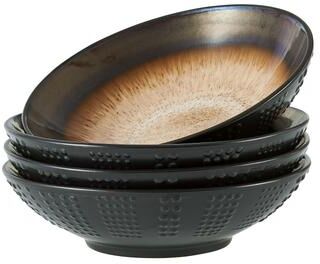
Mikasa Gourmet Basics Gourmet Basics by Mikasa Set of 4 Verona Pasta Bowl, 26 OzDrawing inspiration from the beautiful patterns of nature, this Verona Set of 4 Pasta Bowls by Mikasa features a combination of speckles, dots, and linear striations in rich earth tones.42,32 $*Shipping: 0,00 $Secure redirect to the provider



-
Why do oceans have different levels of salinity?
Oceans have different levels of salinity due to a variety of factors. One major factor is the amount of freshwater input from rivers, precipitation, and melting ice. Areas with high freshwater input tend to have lower salinity levels, while areas with high evaporation rates and limited freshwater input have higher salinity levels. Additionally, ocean currents can also play a role in distributing and mixing saltwater, leading to variations in salinity levels across different regions of the ocean. Finally, the temperature of the water can also affect salinity, as warmer water can hold more salt than colder water. **
-
Could very many artificial freshwater lakes possibly have an impact on the salinity of the seas?
Yes, the creation of very many artificial freshwater lakes could potentially have an impact on the salinity of the seas. This is because the water that would have otherwise flowed into the sea is being diverted to these lakes, reducing the amount of freshwater entering the sea. As a result, the salinity of the sea could increase due to the imbalance in the water cycle. Additionally, the reduced freshwater flow into the sea could also impact the ecosystems and marine life that rely on a certain level of salinity for survival. **
-
Is Parmesan the best cheese for pasta?
Parmesan is a popular choice for pasta due to its strong, salty flavor and ability to melt easily. However, whether it is the best cheese for pasta is subjective and depends on personal preference. Other cheeses like Pecorino Romano, Grana Padano, or even a combination of different cheeses can also be delicious options for pasta dishes. Ultimately, the best cheese for pasta is the one that you enjoy the most. **
-
With which cheese do you eat pasta?
Parmesan cheese is a popular choice to sprinkle on top of pasta dishes. Its nutty and salty flavor complements the pasta well, enhancing the overall taste of the dish. Other cheeses like Pecorino Romano or Grana Padano can also be used to add a rich and savory element to pasta dishes. Ultimately, the choice of cheese depends on personal preference and the specific flavors you want to highlight in your pasta dish. **


Can the expansion of seawater desalination plants meet the freshwater needs of humanity and simultaneously increase the salinity concentration of seawater?
While seawater desalination plants can help meet the freshwater needs of humanity, their expansion can also lead to an increase in the salinity concentration of seawater. This is because the process of desalination removes freshwater from seawater, leaving behind a more concentrated brine that is often discharged back into the ocean. If not properly managed, this discharge can contribute to the overall salinization of seawater. Therefore, it is important to consider the environmental impacts and sustainability of seawater desalination projects to ensure they do not exacerbate salinity issues in the long term. **
Which wine pairs well with baked cheese?
A light to medium-bodied white wine pairs well with baked cheese. Consider a Chardonnay, Sauvignon Blanc, or Pinot Grigio to complement the creamy and rich flavors of the baked cheese. These wines provide a nice balance to the richness of the cheese and enhance the overall dining experience. **
Top-Angebote
Products related to Salinity:
-
Inspire Curations Handheld Salinity Refractometer For Saltwater Aquariums with BoxMonitor saltwater conditions with confidence using this salinity refractometer designed for quick and convenient liquid testing. Its dualscale measurement allows users to check salinity from 0100 and specific gravity from 1.0001.070 SG, making...133,00 $*Shipping: 0,00 $Secure redirect to the provider
-
Twine Rustic Farmhouse: Gourmet Cheese KnivesThe Rustic Farmhouse Gourmet Cheese Set is a beautiful collection of four assorted cheese tools. With stainless steel blades and rustic elegant acacia wood handles, this handsome set is perfect for entertaining, gift-giving and picnics!23,19 $*Shipping: 0,00 $Secure redirect to the provider
-
At what salinity is water drinkable?
Water is considered drinkable when it has a salinity level of less than 500 mg/L (milligrams per liter). This level of salinity is generally safe for human consumption and does not pose any health risks. Water with higher salinity levels may taste salty and can have a laxative effect if consumed in large quantities. **
-
At what salinity level is water drinkable?
Water is considered drinkable when it has a salinity level of less than 500 mg/L (milligrams per liter). This level of salinity is considered safe for human consumption and does not pose any health risks. Higher levels of salinity can make water taste salty and can have negative effects on the body if consumed in large quantities. **
-
Why do oceans have different levels of salinity?
Oceans have different levels of salinity due to a variety of factors. One major factor is the amount of freshwater input from rivers, precipitation, and melting ice. Areas with high freshwater input tend to have lower salinity levels, while areas with high evaporation rates and limited freshwater input have higher salinity levels. Additionally, ocean currents can also play a role in distributing and mixing saltwater, leading to variations in salinity levels across different regions of the ocean. Finally, the temperature of the water can also affect salinity, as warmer water can hold more salt than colder water. **
-
Could very many artificial freshwater lakes possibly have an impact on the salinity of the seas?
Yes, the creation of very many artificial freshwater lakes could potentially have an impact on the salinity of the seas. This is because the water that would have otherwise flowed into the sea is being diverted to these lakes, reducing the amount of freshwater entering the sea. As a result, the salinity of the sea could increase due to the imbalance in the water cycle. Additionally, the reduced freshwater flow into the sea could also impact the ecosystems and marine life that rely on a certain level of salinity for survival. **
Similar search terms for Salinity
-
Mikasa Gourmet Basics Gourmet Basics by Mikasa Set of 4 Verona Pasta Bowl, 26 OzDrawing inspiration from the beautiful patterns of nature, this Verona Set of 4 Pasta Bowls by Mikasa features a combination of speckles, dots, and linear striations in rich earth tones.42,32 $*Shipping: 0,00 $Secure redirect to the provider
-
Gourmet Basics by Mikasa Mikasa Gourmet Basics Wine and Charcuterie Serving BoardHost in style with this Gourmet Basics Wine and Charcuterie Serving Board. Beautifully crafted of durable acacia wood, this stunning board is an easy way to serve wine, appetizers, cheese, and more.46,79 $*Shipping: 0,00 $Secure redirect to the provider
-
Is Parmesan the best cheese for pasta?
Parmesan is a popular choice for pasta due to its strong, salty flavor and ability to melt easily. However, whether it is the best cheese for pasta is subjective and depends on personal preference. Other cheeses like Pecorino Romano, Grana Padano, or even a combination of different cheeses can also be delicious options for pasta dishes. Ultimately, the best cheese for pasta is the one that you enjoy the most. **
-
With which cheese do you eat pasta?
Parmesan cheese is a popular choice to sprinkle on top of pasta dishes. Its nutty and salty flavor complements the pasta well, enhancing the overall taste of the dish. Other cheeses like Pecorino Romano or Grana Padano can also be used to add a rich and savory element to pasta dishes. Ultimately, the choice of cheese depends on personal preference and the specific flavors you want to highlight in your pasta dish. **
-
Can the expansion of seawater desalination plants meet the freshwater needs of humanity and simultaneously increase the salinity concentration of seawater?
While seawater desalination plants can help meet the freshwater needs of humanity, their expansion can also lead to an increase in the salinity concentration of seawater. This is because the process of desalination removes freshwater from seawater, leaving behind a more concentrated brine that is often discharged back into the ocean. If not properly managed, this discharge can contribute to the overall salinization of seawater. Therefore, it is important to consider the environmental impacts and sustainability of seawater desalination projects to ensure they do not exacerbate salinity issues in the long term. **
-
Which wine pairs well with baked cheese?
A light to medium-bodied white wine pairs well with baked cheese. Consider a Chardonnay, Sauvignon Blanc, or Pinot Grigio to complement the creamy and rich flavors of the baked cheese. These wines provide a nice balance to the richness of the cheese and enhance the overall dining experience. **
* All prices are inclusive of VAT and, if applicable, plus shipping costs. The offer information is based on the details provided by the respective shop and is updated through automated processes. Real-time updates do not occur, so deviations can occur in individual cases. ** Note: Parts of this content were created by AI.