Buy darios.eu ?
We are moving the project
darios.eu .
Are you interested in purchasing the domain
darios.eu ?
domain@kv-gmbh.de · 0541-91531010
Buy darios.eu ?
How are pasta and pesto served separately for reheating?
To reheat pasta and pesto separately, first, store the cooked pasta in an airtight container in the refrigerator. Store the pesto in a separate airtight container. When ready to reheat, place the pasta in a microwave-safe dish with a little water to prevent it from drying out. Heat the pasta in short intervals, stirring in between until it reaches the desired temperature. Reheat the pesto separately in a saucepan over low heat, stirring occasionally until warmed through. Serve the reheated pasta and pesto together when both are heated to your liking. **
How can you avoid reheating canned food?
To avoid reheating canned food, you can try to plan your meals in advance and only open a can when you are ready to eat the entire contents. This way, you can avoid having leftovers that need to be reheated. Additionally, you can try to use smaller cans or portion out the contents of larger cans into smaller containers to minimize the amount of leftovers. Finally, you can also consider using canned food in cold dishes or salads to avoid the need for reheating. **


Similar search terms for Reheating
Top-Angebote
Products related to Reheating:
-
Twine Rustic Farmhouse: Gourmet Cheese KnivesThe Rustic Farmhouse Gourmet Cheese Set is a beautiful collection of four assorted cheese tools. With stainless steel blades and rustic elegant acacia wood handles, this handsome set is perfect for entertaining, gift-giving and picnics!23,19 $*Shipping: 0,00 $Secure redirect to the provider
-
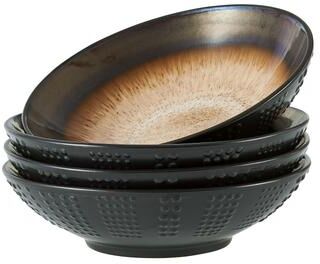
Mikasa Gourmet Basics Gourmet Basics by Mikasa Set of 4 Verona Pasta Bowl, 26 OzDrawing inspiration from the beautiful patterns of nature, this Verona Set of 4 Pasta Bowls by Mikasa features a combination of speckles, dots, and linear striations in rich earth tones.42,32 $*Shipping: 0,00 $Secure redirect to the provider



-
Why do potatoes taste weird after reheating?
Potatoes can taste weird after reheating because the process of cooling and reheating can cause the starch in the potatoes to undergo a physical change known as retrogradation. This can lead to the potatoes becoming grainy, dry, and less flavorful. Additionally, reheating potatoes can also cause the natural sugars in the potatoes to caramelize, which can alter their taste and texture. To minimize these effects, it's best to store and reheat potatoes properly, such as by storing them in an airtight container and reheating them gently to avoid overcooking. **
-
Is constant reheating more expensive than continuous heating?
Constant reheating is generally more expensive than continuous heating. When you continuously heat a space, the energy is used consistently and efficiently to maintain the desired temperature. On the other hand, constant reheating requires the heating system to work harder and use more energy to bring the space back to the desired temperature each time it cools down. This can lead to higher energy costs and inefficiency in the long run. Therefore, continuous heating is usually a more cost-effective option. **
-
Which lunchbox is suitable for reheating food on the go?
A lunchbox with a microwave-safe container and a tight-sealing lid is suitable for reheating food on the go. Look for a lunchbox that has a removable microwave-safe container that can be easily heated in a microwave and then placed back into the lunchbox for transport. Additionally, a leak-proof and insulated lunchbox will help keep the food warm and prevent any spills while on the go. **
-
Is there no way to keep rolls warm without reheating them?
Yes, there are ways to keep rolls warm without reheating them. One common method is to wrap the rolls in a clean kitchen towel or aluminum foil and place them in a preheated cooler or insulated container. Another option is to place the rolls on a baking sheet and cover them with a damp towel before placing them in a warm oven (around 200°F) for a short period of time. These methods help retain the warmth of the rolls without drying them out or overcooking them. **


Will bacteria such as salmonella be killed when reheating food in the microwave?
Yes, bacteria such as salmonella can be killed when reheating food in the microwave. The high heat generated by the microwave can effectively kill bacteria, including salmonella, as long as the food is heated to the appropriate temperature. It is important to ensure that the food is heated evenly and reaches a temperature of at least 165°F (74°C) to kill any harmful bacteria present. Additionally, it is important to follow proper food safety guidelines when reheating food to minimize the risk of foodborne illness. **
I am looking for a small oven that is only suitable for reheating bread rolls.
I would recommend looking for a toaster oven that is specifically designed for toasting and reheating small items like bread rolls. Toaster ovens are compact and efficient for reheating bread products, and they often have settings specifically for toasting and warming bread. Look for a toaster oven with a small capacity that will fit your bread rolls comfortably and has simple controls for easy reheating. **
Top-Angebote
Products related to Reheating:
-
Twine Rustic Farmhouse: Gourmet Cheese KnivesThe Rustic Farmhouse Gourmet Cheese Set is a beautiful collection of four assorted cheese tools. With stainless steel blades and rustic elegant acacia wood handles, this handsome set is perfect for entertaining, gift-giving and picnics!23,19 $*Shipping: 0,00 $Secure redirect to the provider
-
How are pasta and pesto served separately for reheating?
To reheat pasta and pesto separately, first, store the cooked pasta in an airtight container in the refrigerator. Store the pesto in a separate airtight container. When ready to reheat, place the pasta in a microwave-safe dish with a little water to prevent it from drying out. Heat the pasta in short intervals, stirring in between until it reaches the desired temperature. Reheat the pesto separately in a saucepan over low heat, stirring occasionally until warmed through. Serve the reheated pasta and pesto together when both are heated to your liking. **
-
How can you avoid reheating canned food?
To avoid reheating canned food, you can try to plan your meals in advance and only open a can when you are ready to eat the entire contents. This way, you can avoid having leftovers that need to be reheated. Additionally, you can try to use smaller cans or portion out the contents of larger cans into smaller containers to minimize the amount of leftovers. Finally, you can also consider using canned food in cold dishes or salads to avoid the need for reheating. **
-
Why do potatoes taste weird after reheating?
Potatoes can taste weird after reheating because the process of cooling and reheating can cause the starch in the potatoes to undergo a physical change known as retrogradation. This can lead to the potatoes becoming grainy, dry, and less flavorful. Additionally, reheating potatoes can also cause the natural sugars in the potatoes to caramelize, which can alter their taste and texture. To minimize these effects, it's best to store and reheat potatoes properly, such as by storing them in an airtight container and reheating them gently to avoid overcooking. **
-
Is constant reheating more expensive than continuous heating?
Constant reheating is generally more expensive than continuous heating. When you continuously heat a space, the energy is used consistently and efficiently to maintain the desired temperature. On the other hand, constant reheating requires the heating system to work harder and use more energy to bring the space back to the desired temperature each time it cools down. This can lead to higher energy costs and inefficiency in the long run. Therefore, continuous heating is usually a more cost-effective option. **
Similar search terms for Reheating
-
Mikasa Gourmet Basics Gourmet Basics by Mikasa Set of 4 Verona Pasta Bowl, 26 OzDrawing inspiration from the beautiful patterns of nature, this Verona Set of 4 Pasta Bowls by Mikasa features a combination of speckles, dots, and linear striations in rich earth tones.42,32 $*Shipping: 0,00 $Secure redirect to the provider
-
Gourmet Basics by Mikasa Mikasa Gourmet Basics Wine and Charcuterie Serving BoardHost in style with this Gourmet Basics Wine and Charcuterie Serving Board. Beautifully crafted of durable acacia wood, this stunning board is an easy way to serve wine, appetizers, cheese, and more.46,79 $*Shipping: 0,00 $Secure redirect to the provider
-
Spode Blue Italian Pasta Bowl - 12 inchSpode Blue Italian 12-Inch Pasta Bowl - Decorative Earthenware Dinnerware with Scenic Border Design - Elegant Blue & White Tableware for Dinner, Snacks, Side Dishes - New Elevate your daily dining rituals with the Spode Blue Italian 12-Inch Pasta...101,00 $*Shipping: 0,00 $Secure redirect to the provider
-
Which lunchbox is suitable for reheating food on the go?
A lunchbox with a microwave-safe container and a tight-sealing lid is suitable for reheating food on the go. Look for a lunchbox that has a removable microwave-safe container that can be easily heated in a microwave and then placed back into the lunchbox for transport. Additionally, a leak-proof and insulated lunchbox will help keep the food warm and prevent any spills while on the go. **
-
Is there no way to keep rolls warm without reheating them?
Yes, there are ways to keep rolls warm without reheating them. One common method is to wrap the rolls in a clean kitchen towel or aluminum foil and place them in a preheated cooler or insulated container. Another option is to place the rolls on a baking sheet and cover them with a damp towel before placing them in a warm oven (around 200°F) for a short period of time. These methods help retain the warmth of the rolls without drying them out or overcooking them. **
-
Will bacteria such as salmonella be killed when reheating food in the microwave?
Yes, bacteria such as salmonella can be killed when reheating food in the microwave. The high heat generated by the microwave can effectively kill bacteria, including salmonella, as long as the food is heated to the appropriate temperature. It is important to ensure that the food is heated evenly and reaches a temperature of at least 165°F (74°C) to kill any harmful bacteria present. Additionally, it is important to follow proper food safety guidelines when reheating food to minimize the risk of foodborne illness. **
-
I am looking for a small oven that is only suitable for reheating bread rolls.
I would recommend looking for a toaster oven that is specifically designed for toasting and reheating small items like bread rolls. Toaster ovens are compact and efficient for reheating bread products, and they often have settings specifically for toasting and warming bread. Look for a toaster oven with a small capacity that will fit your bread rolls comfortably and has simple controls for easy reheating. **
* All prices are inclusive of VAT and, if applicable, plus shipping costs. The offer information is based on the details provided by the respective shop and is updated through automated processes. Real-time updates do not occur, so deviations can occur in individual cases. ** Note: Parts of this content were created by AI.