Buy darios.eu ?
We are moving the project
darios.eu .
Are you interested in purchasing the domain
darios.eu ?
domain@kv-gmbh.de · 0541-91531010
Buy darios.eu ?
What is the structure of the phospholipid bilayer?
The phospholipid bilayer is composed of two layers of phospholipid molecules arranged in a double layer. Each phospholipid molecule has a hydrophilic (water-attracting) head and two hydrophobic (water-repelling) tails. In the bilayer, the hydrophilic heads face outward towards the aqueous environment while the hydrophobic tails face inward, creating a barrier that separates the inside and outside of the cell. This structure provides the cell membrane with its selective permeability and fluidity. **
What is the polarity of the phospholipid head?
The polarity of the phospholipid head is hydrophilic, meaning it is attracted to water. This is because the head contains a phosphate group, which is polar and has a negative charge. As a result, the phospholipid head is able to interact with water molecules, while the nonpolar tails are repelled by water. This property allows phospholipids to form the basic structure of cell membranes, with the hydrophilic heads facing outward towards the watery environment and the hydrophobic tails facing inward. **
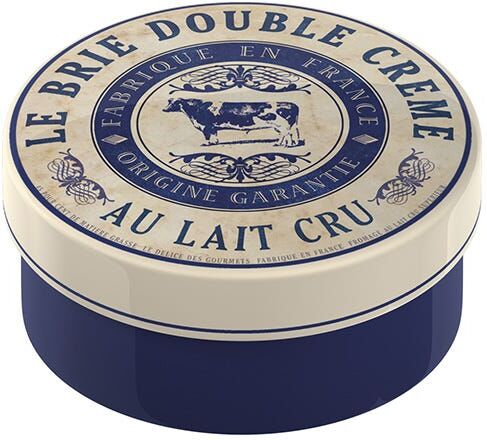

Similar search terms for Phospholipid
Top-Angebote
Products related to Phospholipid:
-
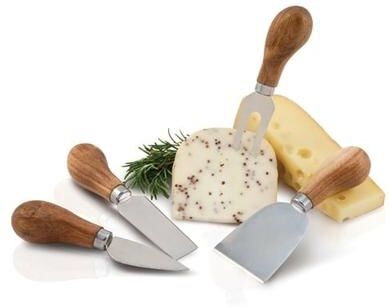
Twine Rustic Farmhouse: Gourmet Cheese KnivesThe Rustic Farmhouse Gourmet Cheese Set is a beautiful collection of four assorted cheese tools. With stainless steel blades and rustic elegant acacia wood handles, this handsome set is perfect for entertaining, gift-giving and picnics!23,09 $*Shipping: 0,00 $Secure redirect to the provider
-
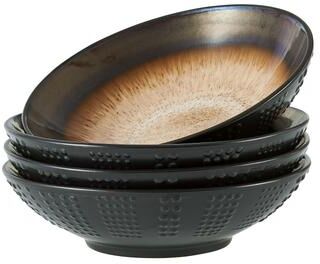
Mikasa Gourmet Basics Gourmet Basics by Mikasa Set of 4 Verona Pasta Bowl, 26 OzDrawing inspiration from the beautiful patterns of nature, this Verona Set of 4 Pasta Bowls by Mikasa features a combination of speckles, dots, and linear striations in rich earth tones.42,32 $*Shipping: 0,00 $Secure redirect to the provider
-
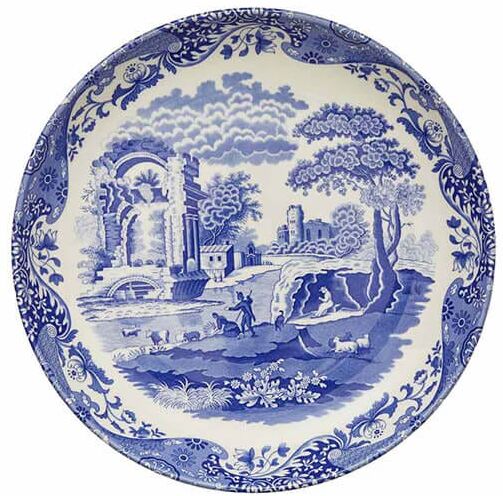
Spode Blue Italian 30cm Pasta BowlThe Spode Blue Italian Pasta Bowl adopts the classic Spode blue and white design in which the brand is renowned for. This bowl has a unique design, capturing a historic scene inspired by the Italian countryside with an Oriental border that dates back to the 18th century. The Spode Blue Italian Pasta Bowl is made in the UK and is ideal for everyday use due to its durable and hard-wearing design. Despite boasting a centuries-old heritage, this bowl is made with modern standards in mind, and is of the utmost quality. Made from 100% Earthenware Dishwasher, freezer and microwave safe Oven safe up to 170°C / 340°F / Gas Mark 3 Dimensions: 2cm (H) x 27.5cm (W) x 27.5cm (D)34,65 £*Shipping: 3,50 £Secure redirect to the provider

-
What is the phospholipid double layer of the retrovirus?
The phospholipid double layer of the retrovirus is a lipid bilayer that surrounds the viral particle. This lipid bilayer is derived from the host cell membrane during the process of viral budding. It contains various viral proteins, including the envelope glycoprotein, which allows the virus to attach to and enter host cells. The phospholipid double layer plays a crucial role in protecting the viral genome and facilitating the virus's entry into host cells. **
-
Why do lipids form micelles or phospholipid bilayers in water?
Lipids form micelles or phospholipid bilayers in water due to their amphipathic nature. This means that they have both hydrophobic (water-repelling) and hydrophilic (water-attracting) regions. In water, the hydrophobic tails of the lipids cluster together to minimize contact with water, while the hydrophilic heads interact with the water molecules. This self-assembly into micelles or bilayers allows the lipids to create stable structures that can effectively sequester their hydrophobic tails away from water, providing a favorable energetically stable state. This is essential for the formation of cell membranes and the encapsulation of hydrophobic molecules within the body. **
-
What is the arrangement of phospholipid molecules in a soap bubble?
In a soap bubble, the phospholipid molecules arrange themselves in a double layer called a lipid bilayer. The hydrophilic (water-attracting) heads of the phospholipids are oriented towards the water, while the hydrophobic (water-repelling) tails are oriented towards the interior of the bubble. This arrangement allows the soap bubble to trap air inside the lipid bilayer, creating a thin film that gives the bubble its structure and stability. **
-
How do fat and phospholipid molecules behave when placed in water?
Fat molecules are hydrophobic, meaning they repel water and tend to clump together to minimize their contact with water. On the other hand, phospholipid molecules have both hydrophobic and hydrophilic regions. When placed in water, phospholipids arrange themselves in a bilayer with the hydrophobic tails facing inward and the hydrophilic heads facing outward, forming a stable structure such as a cell membrane. This behavior is due to the amphipathic nature of phospholipids, allowing them to interact with both water and nonpolar substances. **


Is Parmesan the best cheese for pasta?
Parmesan is a popular choice for pasta due to its strong, salty flavor and ability to melt easily. However, whether it is the best cheese for pasta is subjective and depends on personal preference. Other cheeses like Pecorino Romano, Grana Padano, or even a combination of different cheeses can also be delicious options for pasta dishes. Ultimately, the best cheese for pasta is the one that you enjoy the most. **
With which cheese do you eat pasta?
Parmesan cheese is a popular choice to sprinkle on top of pasta dishes. Its nutty and salty flavor complements the pasta well, enhancing the overall taste of the dish. Other cheeses like Pecorino Romano or Grana Padano can also be used to add a rich and savory element to pasta dishes. Ultimately, the choice of cheese depends on personal preference and the specific flavors you want to highlight in your pasta dish. **
Top-Angebote
Products related to Phospholipid:
-
Twine Rustic Farmhouse: Gourmet Cheese KnivesThe Rustic Farmhouse Gourmet Cheese Set is a beautiful collection of four assorted cheese tools. With stainless steel blades and rustic elegant acacia wood handles, this handsome set is perfect for entertaining, gift-giving and picnics!23,09 $*Shipping: 0,00 $Secure redirect to the provider
-
What is the structure of the phospholipid bilayer?
The phospholipid bilayer is composed of two layers of phospholipid molecules arranged in a double layer. Each phospholipid molecule has a hydrophilic (water-attracting) head and two hydrophobic (water-repelling) tails. In the bilayer, the hydrophilic heads face outward towards the aqueous environment while the hydrophobic tails face inward, creating a barrier that separates the inside and outside of the cell. This structure provides the cell membrane with its selective permeability and fluidity. **
-
What is the polarity of the phospholipid head?
The polarity of the phospholipid head is hydrophilic, meaning it is attracted to water. This is because the head contains a phosphate group, which is polar and has a negative charge. As a result, the phospholipid head is able to interact with water molecules, while the nonpolar tails are repelled by water. This property allows phospholipids to form the basic structure of cell membranes, with the hydrophilic heads facing outward towards the watery environment and the hydrophobic tails facing inward. **
-
What is the phospholipid double layer of the retrovirus?
The phospholipid double layer of the retrovirus is a lipid bilayer that surrounds the viral particle. This lipid bilayer is derived from the host cell membrane during the process of viral budding. It contains various viral proteins, including the envelope glycoprotein, which allows the virus to attach to and enter host cells. The phospholipid double layer plays a crucial role in protecting the viral genome and facilitating the virus's entry into host cells. **
-
Why do lipids form micelles or phospholipid bilayers in water?
Lipids form micelles or phospholipid bilayers in water due to their amphipathic nature. This means that they have both hydrophobic (water-repelling) and hydrophilic (water-attracting) regions. In water, the hydrophobic tails of the lipids cluster together to minimize contact with water, while the hydrophilic heads interact with the water molecules. This self-assembly into micelles or bilayers allows the lipids to create stable structures that can effectively sequester their hydrophobic tails away from water, providing a favorable energetically stable state. This is essential for the formation of cell membranes and the encapsulation of hydrophobic molecules within the body. **
Similar search terms for Phospholipid
-
Mikasa Gourmet Basics Gourmet Basics by Mikasa Set of 4 Verona Pasta Bowl, 26 OzDrawing inspiration from the beautiful patterns of nature, this Verona Set of 4 Pasta Bowls by Mikasa features a combination of speckles, dots, and linear striations in rich earth tones.42,32 $*Shipping: 0,00 $Secure redirect to the provider
-
Spode Blue Italian 30cm Pasta BowlThe Spode Blue Italian Pasta Bowl adopts the classic Spode blue and white design in which the brand is renowned for. This bowl has a unique design, capturing a historic scene inspired by the Italian countryside with an Oriental border that dates back to the 18th century. The Spode Blue Italian Pasta Bowl is made in the UK and is ideal for everyday use due to its durable and hard-wearing design. Despite boasting a centuries-old heritage, this bowl is made with modern standards in mind, and is of the utmost quality. Made from 100% Earthenware Dishwasher, freezer and microwave safe Oven safe up to 170°C / 340°F / Gas Mark 3 Dimensions: 2cm (H) x 27.5cm (W) x 27.5cm (D)34,65 £*Shipping: 3,50 £Secure redirect to the provider
-
Gourmet Basics by Mikasa Mikasa Gourmet Basics Wine and Charcuterie Serving BoardHost in style with this Gourmet Basics Wine and Charcuterie Serving Board. Beautifully crafted of durable acacia wood, this stunning board is an easy way to serve wine, appetizers, cheese, and more.46,79 $*Shipping: 0,00 $Secure redirect to the provider
-
What is the arrangement of phospholipid molecules in a soap bubble?
In a soap bubble, the phospholipid molecules arrange themselves in a double layer called a lipid bilayer. The hydrophilic (water-attracting) heads of the phospholipids are oriented towards the water, while the hydrophobic (water-repelling) tails are oriented towards the interior of the bubble. This arrangement allows the soap bubble to trap air inside the lipid bilayer, creating a thin film that gives the bubble its structure and stability. **
-
How do fat and phospholipid molecules behave when placed in water?
Fat molecules are hydrophobic, meaning they repel water and tend to clump together to minimize their contact with water. On the other hand, phospholipid molecules have both hydrophobic and hydrophilic regions. When placed in water, phospholipids arrange themselves in a bilayer with the hydrophobic tails facing inward and the hydrophilic heads facing outward, forming a stable structure such as a cell membrane. This behavior is due to the amphipathic nature of phospholipids, allowing them to interact with both water and nonpolar substances. **
-
Is Parmesan the best cheese for pasta?
Parmesan is a popular choice for pasta due to its strong, salty flavor and ability to melt easily. However, whether it is the best cheese for pasta is subjective and depends on personal preference. Other cheeses like Pecorino Romano, Grana Padano, or even a combination of different cheeses can also be delicious options for pasta dishes. Ultimately, the best cheese for pasta is the one that you enjoy the most. **
-
With which cheese do you eat pasta?
Parmesan cheese is a popular choice to sprinkle on top of pasta dishes. Its nutty and salty flavor complements the pasta well, enhancing the overall taste of the dish. Other cheeses like Pecorino Romano or Grana Padano can also be used to add a rich and savory element to pasta dishes. Ultimately, the choice of cheese depends on personal preference and the specific flavors you want to highlight in your pasta dish. **
* All prices are inclusive of VAT and, if applicable, plus shipping costs. The offer information is based on the details provided by the respective shop and is updated through automated processes. Real-time updates do not occur, so deviations can occur in individual cases. ** Note: Parts of this content were created by AI.