Buy darios.eu ?
We are moving the project
darios.eu .
Are you interested in purchasing the domain
darios.eu ?
domain@kv-gmbh.de · 0541-91531010
Buy darios.eu ?
Why are there introns and exons?
Introns and exons are parts of a gene that play different roles in the process of gene expression. Introns are non-coding regions that are removed from the pre-mRNA during RNA splicing, while exons are coding regions that are retained in the mature mRNA and translated into proteins. The presence of introns allows for alternative splicing, which increases the diversity of proteins that can be produced from a single gene. This can lead to increased complexity and diversity in organisms. **
Why do prokaryotes not have introns?
Prokaryotes do not have introns because they lack the complex cellular machinery required for splicing and processing introns. In eukaryotes, introns are removed from the pre-mRNA through a process called splicing, which involves the spliceosome complex and other proteins. Prokaryotes, on the other hand, have a simpler gene structure and lack the spliceosome machinery, so their genes do not contain introns. This streamlined gene structure allows prokaryotes to efficiently transcribe and translate their genes without the need for intron splicing. **

Similar search terms for Introns
Top-Angebote
Products related to Introns:
-
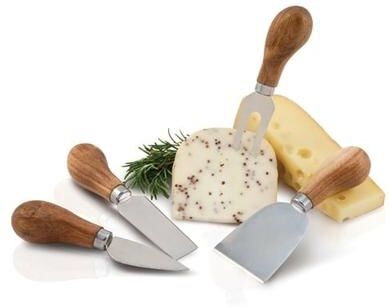
Twine Rustic Farmhouse: Gourmet Cheese KnivesThe Rustic Farmhouse Gourmet Cheese Set is a beautiful collection of four assorted cheese tools. With stainless steel blades and rustic elegant acacia wood handles, this handsome set is perfect for entertaining, gift-giving and picnics!23,19 $*Shipping: 0,00 $Secure redirect to the provider
-
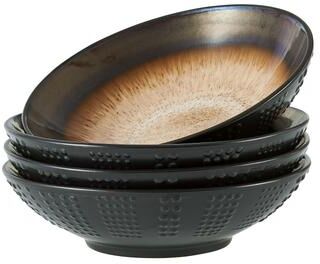
Mikasa Gourmet Basics Gourmet Basics by Mikasa Set of 4 Verona Pasta Bowl, 26 OzDrawing inspiration from the beautiful patterns of nature, this Verona Set of 4 Pasta Bowls by Mikasa features a combination of speckles, dots, and linear striations in rich earth tones.42,32 $*Shipping: 0,00 $Secure redirect to the provider


-
Can you briefly explain what introns and exons are?
Introns are non-coding segments of DNA found within a gene that are transcribed into mRNA but are later removed during the process of RNA splicing. Exons, on the other hand, are the coding segments of DNA that are expressed in the final mRNA molecule after introns have been removed. Exons contain the information necessary to produce proteins, while introns are involved in regulating gene expression and alternative splicing. **
-
Why are introns selectively neutral, ask the biology experts?
Introns are selectively neutral because they are non-coding regions of DNA that do not contribute to the final protein product. Therefore, mutations in introns do not affect the function or structure of the protein. Additionally, introns are often spliced out during the process of gene expression, so any mutations in introns are unlikely to have an impact on the organism. As a result, introns are considered to be selectively neutral and can accumulate mutations without affecting the fitness of the organism. **
-
Why are introns selectively neutral, ask the bio experts?
Introns are selectively neutral because they are non-coding regions of DNA that do not contribute to the final protein product. Mutations in introns do not affect the functioning or structure of the protein, as they are removed during the process of mRNA splicing. Therefore, introns are free to accumulate mutations without affecting the organism's fitness, making them selectively neutral. This allows for genetic diversity to accumulate in introns without impacting the organism's survival or reproduction. **
-
What are introns and what does the term non-coding section mean?
Introns are non-coding sections of a gene that are found within the DNA sequence. They are initially transcribed into RNA along with the coding sections (exons) but are later removed during the process of RNA splicing. The term non-coding section refers to the fact that these introns do not contain the information for producing a functional protein. Instead, they are involved in regulating gene expression and can also contribute to genetic diversity through alternative splicing. **


Is Parmesan the best cheese for pasta?
Parmesan is a popular choice for pasta due to its strong, salty flavor and ability to melt easily. However, whether it is the best cheese for pasta is subjective and depends on personal preference. Other cheeses like Pecorino Romano, Grana Padano, or even a combination of different cheeses can also be delicious options for pasta dishes. Ultimately, the best cheese for pasta is the one that you enjoy the most. **
With which cheese do you eat pasta?
Parmesan cheese is a popular choice to sprinkle on top of pasta dishes. Its nutty and salty flavor complements the pasta well, enhancing the overall taste of the dish. Other cheeses like Pecorino Romano or Grana Padano can also be used to add a rich and savory element to pasta dishes. Ultimately, the choice of cheese depends on personal preference and the specific flavors you want to highlight in your pasta dish. **
Top-Angebote
Products related to Introns:
-
Twine Rustic Farmhouse: Gourmet Cheese KnivesThe Rustic Farmhouse Gourmet Cheese Set is a beautiful collection of four assorted cheese tools. With stainless steel blades and rustic elegant acacia wood handles, this handsome set is perfect for entertaining, gift-giving and picnics!23,19 $*Shipping: 0,00 $Secure redirect to the provider
-
Why are there introns and exons?
Introns and exons are parts of a gene that play different roles in the process of gene expression. Introns are non-coding regions that are removed from the pre-mRNA during RNA splicing, while exons are coding regions that are retained in the mature mRNA and translated into proteins. The presence of introns allows for alternative splicing, which increases the diversity of proteins that can be produced from a single gene. This can lead to increased complexity and diversity in organisms. **
-
Why do prokaryotes not have introns?
Prokaryotes do not have introns because they lack the complex cellular machinery required for splicing and processing introns. In eukaryotes, introns are removed from the pre-mRNA through a process called splicing, which involves the spliceosome complex and other proteins. Prokaryotes, on the other hand, have a simpler gene structure and lack the spliceosome machinery, so their genes do not contain introns. This streamlined gene structure allows prokaryotes to efficiently transcribe and translate their genes without the need for intron splicing. **
-
Can you briefly explain what introns and exons are?
Introns are non-coding segments of DNA found within a gene that are transcribed into mRNA but are later removed during the process of RNA splicing. Exons, on the other hand, are the coding segments of DNA that are expressed in the final mRNA molecule after introns have been removed. Exons contain the information necessary to produce proteins, while introns are involved in regulating gene expression and alternative splicing. **
-
Why are introns selectively neutral, ask the biology experts?
Introns are selectively neutral because they are non-coding regions of DNA that do not contribute to the final protein product. Therefore, mutations in introns do not affect the function or structure of the protein. Additionally, introns are often spliced out during the process of gene expression, so any mutations in introns are unlikely to have an impact on the organism. As a result, introns are considered to be selectively neutral and can accumulate mutations without affecting the fitness of the organism. **
Similar search terms for Introns
-
Mikasa Gourmet Basics Gourmet Basics by Mikasa Set of 4 Verona Pasta Bowl, 26 OzDrawing inspiration from the beautiful patterns of nature, this Verona Set of 4 Pasta Bowls by Mikasa features a combination of speckles, dots, and linear striations in rich earth tones.42,32 $*Shipping: 0,00 $Secure redirect to the provider
-
Gourmet Basics by Mikasa Mikasa Gourmet Basics Wine and Charcuterie Serving BoardHost in style with this Gourmet Basics Wine and Charcuterie Serving Board. Beautifully crafted of durable acacia wood, this stunning board is an easy way to serve wine, appetizers, cheese, and more.46,79 $*Shipping: 0,00 $Secure redirect to the provider
-
Spode Blue Italian Pasta Bowl - 12 inchSpode Blue Italian 12-Inch Pasta Bowl - Decorative Earthenware Dinnerware with Scenic Border Design - Elegant Blue & White Tableware for Dinner, Snacks, Side Dishes - New Elevate your daily dining rituals with the Spode Blue Italian 12-Inch Pasta...101,00 $*Shipping: 0,00 $Secure redirect to the provider
-
Why are introns selectively neutral, ask the bio experts?
Introns are selectively neutral because they are non-coding regions of DNA that do not contribute to the final protein product. Mutations in introns do not affect the functioning or structure of the protein, as they are removed during the process of mRNA splicing. Therefore, introns are free to accumulate mutations without affecting the organism's fitness, making them selectively neutral. This allows for genetic diversity to accumulate in introns without impacting the organism's survival or reproduction. **
-
What are introns and what does the term non-coding section mean?
Introns are non-coding sections of a gene that are found within the DNA sequence. They are initially transcribed into RNA along with the coding sections (exons) but are later removed during the process of RNA splicing. The term non-coding section refers to the fact that these introns do not contain the information for producing a functional protein. Instead, they are involved in regulating gene expression and can also contribute to genetic diversity through alternative splicing. **
-
Is Parmesan the best cheese for pasta?
Parmesan is a popular choice for pasta due to its strong, salty flavor and ability to melt easily. However, whether it is the best cheese for pasta is subjective and depends on personal preference. Other cheeses like Pecorino Romano, Grana Padano, or even a combination of different cheeses can also be delicious options for pasta dishes. Ultimately, the best cheese for pasta is the one that you enjoy the most. **
-
With which cheese do you eat pasta?
Parmesan cheese is a popular choice to sprinkle on top of pasta dishes. Its nutty and salty flavor complements the pasta well, enhancing the overall taste of the dish. Other cheeses like Pecorino Romano or Grana Padano can also be used to add a rich and savory element to pasta dishes. Ultimately, the choice of cheese depends on personal preference and the specific flavors you want to highlight in your pasta dish. **
* All prices are inclusive of VAT and, if applicable, plus shipping costs. The offer information is based on the details provided by the respective shop and is updated through automated processes. Real-time updates do not occur, so deviations can occur in individual cases. ** Note: Parts of this content were created by AI.