Buy darios.eu ?
We are moving the project
darios.eu .
Are you interested in purchasing the domain
darios.eu ?
domain@kv-gmbh.de · 0541-91531010
Buy darios.eu ?
What is the difference between il faut que and il faut?
"Il faut" is used to express a general necessity or obligation, while "il faut que" is used to introduce a specific action or event that is necessary or required. For example, "il faut manger" means "it is necessary to eat" in a general sense, while "il faut que tu manges" means "you need to eat" in a specific sense. "Il faut" is used to make a general statement about what is necessary, while "il faut que" is used to specify what needs to be done. **
When do you use il faut and il ne faut pas?
"Il faut" is used to express what is necessary or required, while "il ne faut pas" is used to express what is not allowed or should be avoided. For example, you would use "il faut" to say "il faut étudier pour réussir" (it is necessary to study to succeed), and "il ne faut pas" to say "il ne faut pas fumer dans ce lieu" (smoking is not allowed in this place). These expressions are used to give advice, make recommendations, or set rules. **

Similar search terms for Faut
Top-Angebote
Products related to Faut:
-
Twine Rustic Farmhouse: Gourmet Cheese KnivesThe Rustic Farmhouse Gourmet Cheese Set is a beautiful collection of four assorted cheese tools. With stainless steel blades and rustic elegant acacia wood handles, this handsome set is perfect for entertaining, gift-giving and picnics!23,19 $*Shipping: 0,00 $Secure redirect to the provider
-
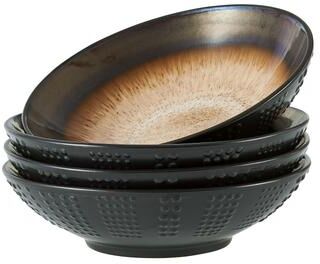
Mikasa Gourmet Basics Gourmet Basics by Mikasa Set of 4 Verona Pasta Bowl, 26 OzDrawing inspiration from the beautiful patterns of nature, this Verona Set of 4 Pasta Bowls by Mikasa features a combination of speckles, dots, and linear striations in rich earth tones.42,32 $*Shipping: 0,00 $Secure redirect to the provider



-
How does "il faut" work in French?
"Il faut" is a common expression in French that is used to convey the idea of necessity or obligation. It is followed by an infinitive verb and is used to express what needs to be done or what is necessary in a given situation. For example, "Il faut manger" means "It is necessary to eat." This expression is used to give advice, make suggestions, or express general truths. **
-
What is the past tense of il faut?
The past tense of "il faut" is "il a fallu." This is the third person singular form of the verb "falloir" in the past tense. It is used to indicate that something was necessary or required in the past. For example, "Il a fallu partir tôt ce matin" means "It was necessary to leave early this morning." **
-
Why do we say "il faut" in French instead of "on doit"? One reads "il faut" everywhere, very rarely "on doit." Why?
"We say 'il faut' in French instead of 'on doit' because 'il faut' is a more common and idiomatic expression in the French language. It is used to convey the idea of necessity or obligation in a more formal and impersonal way. On the other hand, 'on doit' is more direct and personal, implying a specific obligation or duty. Therefore, 'il faut' is preferred in a wider range of contexts and is considered more polite and appropriate in formal or general statements." **
-
Why do people say "il faut" in French instead of "on doit"? "Il faut" is read everywhere, while "on doit" is very, very rarely seen. Why?
The phrase "il faut" is used in French to express the idea of necessity or obligation, while "on doit" is used to express the idea of duty or responsibility. The use of "il faut" is more common because it is a more general and impersonal way of expressing necessity, whereas "on doit" is more specific and implies a direct responsibility or obligation. Additionally, "il faut" is a fixed expression in French, while "on doit" can be more easily replaced by other phrases or constructions. Therefore, "il faut" is used more frequently in written and spoken French. **


Has anyone of you ever read the book Il faut sauver Saïd?
As an AI language model, I don't have personal experiences or the ability to read books. However, "Il faut sauver Saïd" is a French novel written by Brigitte Smadja. It tells the story of a young boy named Saïd who is struggling to find his place in the world. The novel addresses themes of identity, immigration, and belonging, and has been well-received for its powerful storytelling and thought-provoking content. If you have read the book, I would love to hear your thoughts on it! **
What is the difference between "il faut" and "on a besoin" in French?
"Il faut" and "on a besoin" both express a need or necessity in French, but they are used in slightly different contexts. "Il faut" is used to express a general necessity or obligation, while "on a besoin" is used to express a specific need or requirement. For example, "Il faut manger pour vivre" (One must eat to live) expresses a general necessity, while "On a besoin de nourriture pour survivre" (We need food to survive) expresses a specific need. **
Top-Angebote
Products related to Faut:
-
Twine Rustic Farmhouse: Gourmet Cheese KnivesThe Rustic Farmhouse Gourmet Cheese Set is a beautiful collection of four assorted cheese tools. With stainless steel blades and rustic elegant acacia wood handles, this handsome set is perfect for entertaining, gift-giving and picnics!23,19 $*Shipping: 0,00 $Secure redirect to the provider
-
What is the difference between il faut que and il faut?
"Il faut" is used to express a general necessity or obligation, while "il faut que" is used to introduce a specific action or event that is necessary or required. For example, "il faut manger" means "it is necessary to eat" in a general sense, while "il faut que tu manges" means "you need to eat" in a specific sense. "Il faut" is used to make a general statement about what is necessary, while "il faut que" is used to specify what needs to be done. **
-
When do you use il faut and il ne faut pas?
"Il faut" is used to express what is necessary or required, while "il ne faut pas" is used to express what is not allowed or should be avoided. For example, you would use "il faut" to say "il faut étudier pour réussir" (it is necessary to study to succeed), and "il ne faut pas" to say "il ne faut pas fumer dans ce lieu" (smoking is not allowed in this place). These expressions are used to give advice, make recommendations, or set rules. **
-
How does "il faut" work in French?
"Il faut" is a common expression in French that is used to convey the idea of necessity or obligation. It is followed by an infinitive verb and is used to express what needs to be done or what is necessary in a given situation. For example, "Il faut manger" means "It is necessary to eat." This expression is used to give advice, make suggestions, or express general truths. **
-
What is the past tense of il faut?
The past tense of "il faut" is "il a fallu." This is the third person singular form of the verb "falloir" in the past tense. It is used to indicate that something was necessary or required in the past. For example, "Il a fallu partir tôt ce matin" means "It was necessary to leave early this morning." **
Similar search terms for Faut
-
Mikasa Gourmet Basics Gourmet Basics by Mikasa Set of 4 Verona Pasta Bowl, 26 OzDrawing inspiration from the beautiful patterns of nature, this Verona Set of 4 Pasta Bowls by Mikasa features a combination of speckles, dots, and linear striations in rich earth tones.42,32 $*Shipping: 0,00 $Secure redirect to the provider
-
Gourmet Basics by Mikasa Mikasa Gourmet Basics Wine and Charcuterie Serving BoardHost in style with this Gourmet Basics Wine and Charcuterie Serving Board. Beautifully crafted of durable acacia wood, this stunning board is an easy way to serve wine, appetizers, cheese, and more.46,79 $*Shipping: 0,00 $Secure redirect to the provider
-
Spode Blue Italian Pasta Bowl - 12 inchSpode Blue Italian 12-Inch Pasta Bowl - Decorative Earthenware Dinnerware with Scenic Border Design - Elegant Blue & White Tableware for Dinner, Snacks, Side Dishes - New Elevate your daily dining rituals with the Spode Blue Italian 12-Inch Pasta...101,00 $*Shipping: 0,00 $Secure redirect to the provider
-
Why do we say "il faut" in French instead of "on doit"? One reads "il faut" everywhere, very rarely "on doit." Why?
"We say 'il faut' in French instead of 'on doit' because 'il faut' is a more common and idiomatic expression in the French language. It is used to convey the idea of necessity or obligation in a more formal and impersonal way. On the other hand, 'on doit' is more direct and personal, implying a specific obligation or duty. Therefore, 'il faut' is preferred in a wider range of contexts and is considered more polite and appropriate in formal or general statements." **
-
Why do people say "il faut" in French instead of "on doit"? "Il faut" is read everywhere, while "on doit" is very, very rarely seen. Why?
The phrase "il faut" is used in French to express the idea of necessity or obligation, while "on doit" is used to express the idea of duty or responsibility. The use of "il faut" is more common because it is a more general and impersonal way of expressing necessity, whereas "on doit" is more specific and implies a direct responsibility or obligation. Additionally, "il faut" is a fixed expression in French, while "on doit" can be more easily replaced by other phrases or constructions. Therefore, "il faut" is used more frequently in written and spoken French. **
-
Has anyone of you ever read the book Il faut sauver Saïd?
As an AI language model, I don't have personal experiences or the ability to read books. However, "Il faut sauver Saïd" is a French novel written by Brigitte Smadja. It tells the story of a young boy named Saïd who is struggling to find his place in the world. The novel addresses themes of identity, immigration, and belonging, and has been well-received for its powerful storytelling and thought-provoking content. If you have read the book, I would love to hear your thoughts on it! **
-
What is the difference between "il faut" and "on a besoin" in French?
"Il faut" and "on a besoin" both express a need or necessity in French, but they are used in slightly different contexts. "Il faut" is used to express a general necessity or obligation, while "on a besoin" is used to express a specific need or requirement. For example, "Il faut manger pour vivre" (One must eat to live) expresses a general necessity, while "On a besoin de nourriture pour survivre" (We need food to survive) expresses a specific need. **
* All prices are inclusive of VAT and, if applicable, plus shipping costs. The offer information is based on the details provided by the respective shop and is updated through automated processes. Real-time updates do not occur, so deviations can occur in individual cases. ** Note: Parts of this content were created by AI.