Buy darios.eu ?
We are moving the project
darios.eu .
Are you interested in purchasing the domain
darios.eu ?
domain@kv-gmbh.de · 0541-91531010
Buy darios.eu ?
What is the painting technique of Edvard Munch?
Edvard Munch was known for his innovative painting technique, which often involved bold, expressive brushstrokes and a focus on conveying emotion and psychological intensity. He was a pioneer of the Symbolist and Expressionist movements, and his use of color and form was highly influential in the development of modern art. Munch's technique often involved layering and blending colors to create a sense of depth and movement, and he frequently used unconventional compositions and perspectives to convey the inner turmoil and existential angst of his subjects. Overall, Munch's painting technique was characterized by its emotional intensity and its ability to evoke powerful, visceral responses from viewers. **
How should I analyze the despair of Edvard Munch?
To analyze the despair in Edvard Munch's work, it is important to consider the context in which he was creating his art. Munch's personal struggles and experiences with mental illness, as well as the societal changes and upheavals of his time, greatly influenced his work. Look for recurring themes and symbols in his art, such as isolation, anxiety, and death, and consider how these reflect his inner turmoil. Additionally, examining the use of color, composition, and brushwork can provide insight into the emotional intensity of Munch's work and the depth of his despair. **

Similar search terms for Edvard
Top-Angebote
Products related to Edvard:
-
Twine Rustic Farmhouse: Gourmet Cheese KnivesThe Rustic Farmhouse Gourmet Cheese Set is a beautiful collection of four assorted cheese tools. With stainless steel blades and rustic elegant acacia wood handles, this handsome set is perfect for entertaining, gift-giving and picnics!23,19 $*Shipping: 0,00 $Secure redirect to the provider
-
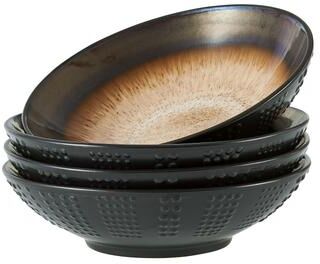
Mikasa Gourmet Basics Gourmet Basics by Mikasa Set of 4 Verona Pasta Bowl, 26 OzDrawing inspiration from the beautiful patterns of nature, this Verona Set of 4 Pasta Bowls by Mikasa features a combination of speckles, dots, and linear striations in rich earth tones.42,32 $*Shipping: 0,00 $Secure redirect to the provider



-
Can you describe the painting "Winter Night" by Edvard Munch?
"Winter Night" by Edvard Munch is a haunting and evocative painting that depicts a snowy landscape at night. The scene is dominated by a dark, foreboding forest, with a solitary figure walking through the snow. The use of dark, muted colors and the stark contrast between the figure and the surrounding landscape creates a sense of isolation and loneliness. The painting captures the eerie stillness and quiet beauty of a winter night, while also conveying a sense of unease and mystery. **
-
How do you interpret the painting The Scream by Edvard Munch?
The painting The Scream by Edvard Munch is often interpreted as a representation of the anxiety, fear, and existential dread experienced by the modern individual. The figure in the painting appears to be in a state of extreme distress, with a contorted face and a sense of isolation. The swirling, vibrant colors and the distorted landscape contribute to the overall feeling of unease and chaos. The painting is often seen as a powerful expression of the human condition, capturing the overwhelming emotions and psychological turmoil that can accompany modern life. **
-
What is the visual interpretation of Edvard Munch's Golgotha around 1900?
Edvard Munch's "Golgotha" around 1900 is a haunting and evocative visual interpretation of the crucifixion of Jesus Christ. The painting depicts a dark and desolate landscape with three crosses in the background, conveying a sense of despair and anguish. The figures in the foreground are distorted and anguished, reflecting the intense emotional and psychological turmoil of the crucifixion. Munch's use of color and brushstrokes adds to the overall sense of unease and suffering in the painting, making it a powerful and emotive representation of this pivotal moment in Christian history. **
-
What did Edvard Munch want to express with the painting The Scream?
Edvard Munch wanted to express the overwhelming anxiety and existential dread that he felt during a walk along a fjord in Norway. The figure in the painting is meant to convey a sense of terror and despair, with the swirling, distorted background representing the chaotic and unsettling nature of the world. Munch's use of color and composition was intended to evoke a sense of unease and disorientation, reflecting his own inner turmoil and the broader anxieties of modern life. **


What is the connection between the Lydian mode and Norwegian folk music in the works of Edvard Grieg?
The Lydian mode, with its raised 4th scale degree, is often associated with a bright and uplifting sound. Edvard Grieg, a Norwegian composer, incorporated elements of Norwegian folk music into his compositions, and the Lydian mode is frequently found in Norwegian folk music. Grieg's use of the Lydian mode in his works, such as the famous "Morning Mood" from his Peer Gynt suite, reflects his incorporation of Norwegian folk melodies and scales into his compositions, creating a connection between the Lydian mode and Norwegian folk music in his music. **
Is Parmesan the best cheese for pasta?
Parmesan is a popular choice for pasta due to its strong, salty flavor and ability to melt easily. However, whether it is the best cheese for pasta is subjective and depends on personal preference. Other cheeses like Pecorino Romano, Grana Padano, or even a combination of different cheeses can also be delicious options for pasta dishes. Ultimately, the best cheese for pasta is the one that you enjoy the most. **
Top-Angebote
Products related to Edvard:
-
Twine Rustic Farmhouse: Gourmet Cheese KnivesThe Rustic Farmhouse Gourmet Cheese Set is a beautiful collection of four assorted cheese tools. With stainless steel blades and rustic elegant acacia wood handles, this handsome set is perfect for entertaining, gift-giving and picnics!23,19 $*Shipping: 0,00 $Secure redirect to the provider
-
What is the painting technique of Edvard Munch?
Edvard Munch was known for his innovative painting technique, which often involved bold, expressive brushstrokes and a focus on conveying emotion and psychological intensity. He was a pioneer of the Symbolist and Expressionist movements, and his use of color and form was highly influential in the development of modern art. Munch's technique often involved layering and blending colors to create a sense of depth and movement, and he frequently used unconventional compositions and perspectives to convey the inner turmoil and existential angst of his subjects. Overall, Munch's painting technique was characterized by its emotional intensity and its ability to evoke powerful, visceral responses from viewers. **
-
How should I analyze the despair of Edvard Munch?
To analyze the despair in Edvard Munch's work, it is important to consider the context in which he was creating his art. Munch's personal struggles and experiences with mental illness, as well as the societal changes and upheavals of his time, greatly influenced his work. Look for recurring themes and symbols in his art, such as isolation, anxiety, and death, and consider how these reflect his inner turmoil. Additionally, examining the use of color, composition, and brushwork can provide insight into the emotional intensity of Munch's work and the depth of his despair. **
-
Can you describe the painting "Winter Night" by Edvard Munch?
"Winter Night" by Edvard Munch is a haunting and evocative painting that depicts a snowy landscape at night. The scene is dominated by a dark, foreboding forest, with a solitary figure walking through the snow. The use of dark, muted colors and the stark contrast between the figure and the surrounding landscape creates a sense of isolation and loneliness. The painting captures the eerie stillness and quiet beauty of a winter night, while also conveying a sense of unease and mystery. **
-
How do you interpret the painting The Scream by Edvard Munch?
The painting The Scream by Edvard Munch is often interpreted as a representation of the anxiety, fear, and existential dread experienced by the modern individual. The figure in the painting appears to be in a state of extreme distress, with a contorted face and a sense of isolation. The swirling, vibrant colors and the distorted landscape contribute to the overall feeling of unease and chaos. The painting is often seen as a powerful expression of the human condition, capturing the overwhelming emotions and psychological turmoil that can accompany modern life. **
Similar search terms for Edvard
-
Mikasa Gourmet Basics Gourmet Basics by Mikasa Set of 4 Verona Pasta Bowl, 26 OzDrawing inspiration from the beautiful patterns of nature, this Verona Set of 4 Pasta Bowls by Mikasa features a combination of speckles, dots, and linear striations in rich earth tones.42,32 $*Shipping: 0,00 $Secure redirect to the provider
-
Gourmet Basics by Mikasa Mikasa Gourmet Basics Wine and Charcuterie Serving BoardHost in style with this Gourmet Basics Wine and Charcuterie Serving Board. Beautifully crafted of durable acacia wood, this stunning board is an easy way to serve wine, appetizers, cheese, and more.46,79 $*Shipping: 0,00 $Secure redirect to the provider
-
Spode Blue Italian Pasta Bowl - 12 inchSpode Blue Italian 12-Inch Pasta Bowl - Decorative Earthenware Dinnerware with Scenic Border Design - Elegant Blue & White Tableware for Dinner, Snacks, Side Dishes - New Elevate your daily dining rituals with the Spode Blue Italian 12-Inch Pasta...101,00 $*Shipping: 0,00 $Secure redirect to the provider
-
What is the visual interpretation of Edvard Munch's Golgotha around 1900?
Edvard Munch's "Golgotha" around 1900 is a haunting and evocative visual interpretation of the crucifixion of Jesus Christ. The painting depicts a dark and desolate landscape with three crosses in the background, conveying a sense of despair and anguish. The figures in the foreground are distorted and anguished, reflecting the intense emotional and psychological turmoil of the crucifixion. Munch's use of color and brushstrokes adds to the overall sense of unease and suffering in the painting, making it a powerful and emotive representation of this pivotal moment in Christian history. **
-
What did Edvard Munch want to express with the painting The Scream?
Edvard Munch wanted to express the overwhelming anxiety and existential dread that he felt during a walk along a fjord in Norway. The figure in the painting is meant to convey a sense of terror and despair, with the swirling, distorted background representing the chaotic and unsettling nature of the world. Munch's use of color and composition was intended to evoke a sense of unease and disorientation, reflecting his own inner turmoil and the broader anxieties of modern life. **
-
What is the connection between the Lydian mode and Norwegian folk music in the works of Edvard Grieg?
The Lydian mode, with its raised 4th scale degree, is often associated with a bright and uplifting sound. Edvard Grieg, a Norwegian composer, incorporated elements of Norwegian folk music into his compositions, and the Lydian mode is frequently found in Norwegian folk music. Grieg's use of the Lydian mode in his works, such as the famous "Morning Mood" from his Peer Gynt suite, reflects his incorporation of Norwegian folk melodies and scales into his compositions, creating a connection between the Lydian mode and Norwegian folk music in his music. **
-
Is Parmesan the best cheese for pasta?
Parmesan is a popular choice for pasta due to its strong, salty flavor and ability to melt easily. However, whether it is the best cheese for pasta is subjective and depends on personal preference. Other cheeses like Pecorino Romano, Grana Padano, or even a combination of different cheeses can also be delicious options for pasta dishes. Ultimately, the best cheese for pasta is the one that you enjoy the most. **
* All prices are inclusive of VAT and, if applicable, plus shipping costs. The offer information is based on the details provided by the respective shop and is updated through automated processes. Real-time updates do not occur, so deviations can occur in individual cases. ** Note: Parts of this content were created by AI.