Buy darios.eu ?
We are moving the project
darios.eu .
Are you interested in purchasing the domain
darios.eu ?
domain@kv-gmbh.de · 0541-91531010
Buy darios.eu ?
Why does wine become sour through fermentation?
Wine becomes sour through fermentation due to the conversion of sugars into alcohol by yeast. During this process, some of the alcohol can be further converted into acetic acid by certain bacteria, leading to a sour taste. This can happen if the wine is exposed to oxygen or if there are high levels of acetic acid bacteria present. Additionally, other factors such as temperature, pH levels, and the type of yeast used can also influence the sourness of the wine during fermentation. **
What happens during the fermentation of wine?
During the fermentation of wine, yeast consumes the sugars in the grape juice and converts them into alcohol and carbon dioxide. This process typically takes place in a controlled environment, such as a stainless steel tank or oak barrel, and can last anywhere from a few days to a few weeks, depending on the desired style of wine. As the yeast works, it also imparts various flavors and aromas to the wine, contributing to its overall character and complexity. Once fermentation is complete, the wine is typically racked off the yeast sediment and may undergo further aging and clarification before bottling. **


Similar search terms for Fermentation
Top-Angebote
Products related to Fermentation:
-
Discount Dollar Deals Pickles Jar With Lids, Strainer Olives Food Storage, Kimchi Container, Hourglass Jug For Fermentation And Kitchen Use Pickles Jar With Lids, Strainer Olives Food Storage, Kimchi Container, Hourglass Jug For Fermentation And Kitchen UKeep Your Food Fresh with the Best Storage Solution This pickles jar with lids is the ultimate food storage container for all your fermented favorites. Featuring a convenient strainer and designed to separate different foods, this hourglass jug is...39,97 $*Shipping: 0,00 $Secure redirect to the provider
-
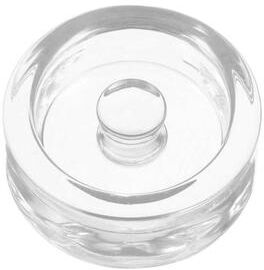
Quick Pick Pro CrystalGrip Fermentation Glass Weight For Wide Mouth Mason Jars CrystalGrip Fermentation Glass Weight For Wide Mouth Mason JarsCreate crisp pickles, flavorful kimchi, and perfectly fermented vegetables with confidence. This fermentation glass weight is designed for home fermenters who want consistent results without the hassle. Made from clear, durable glass, it keeps...32,97 $*Shipping: 0,00 $Secure redirect to the provider
-
Perfect Picks Market Easy Grip Glass Fermentation Weights For Wide Mouth Mason Jars Easy Grip Glass Fermentation Weights For Wide Mouth Mason JarsTransform homemade ferments into flavorful favorites with a simple tool that helps deliver consistent results every time. These glass fermentation weights are designed for home fermenters, pickling enthusiasts, and anyone who loves making fresh,...34,97 $*Shipping: 0,00 $Secure redirect to the provider
-
ModernMart Easy Grip Glass Fermentation Weights For Mason Jars Pickling And Kimchi Making Easy Grip Glass Fermentation Weights For Mason Jars Pickling And Kimchi MakingTurn homemade ferments into a simple, messfree ritual with these fermentation weights designed to keep your ingredients perfectly submerged. Made from durable transparent glass, this easygrip tool helps create the ideal environment for crisp...39,97 $*Shipping: 0,00 $Secure redirect to the provider



-
How do alcoholic fermentation and lactic acid fermentation differ?
Alcoholic fermentation and lactic acid fermentation are both forms of anaerobic respiration that produce energy in the absence of oxygen. The main difference between the two is the end products they produce. Alcoholic fermentation produces ethanol and carbon dioxide, while lactic acid fermentation produces lactic acid. Additionally, alcoholic fermentation is commonly used in the production of alcoholic beverages, while lactic acid fermentation is used in the production of dairy products like yogurt and cheese. **
-
How can one make wine without using a fermentation vessel?
One can make wine without using a fermentation vessel by using the carbonic maceration method. In this method, whole grapes are placed in a sealed container and carbon dioxide is introduced to create an anaerobic environment. The grapes then undergo intracellular fermentation, where the juice inside the grape starts to ferment without the need for a separate fermentation vessel. This method is commonly used for making Beaujolais Nouveau and other light, fruity red wines. **
-
What is the reaction equation for the fermentation of wine?
The reaction equation for the fermentation of wine is: C6H12O6 (glucose) → 2 C2H5OH (ethanol) + 2 CO2 (carbon dioxide) This equation represents the conversion of glucose into ethanol and carbon dioxide by yeast during the fermentation process. This reaction is the basis for the production of alcoholic beverages such as wine. **
-
Can I stop the fermentation of homemade wine by heating it?
Heating homemade wine to a high temperature can stop the fermentation process by killing the yeast responsible for fermentation. However, it is important to note that heating the wine can also alter its flavor and aroma, potentially resulting in a less desirable final product. It is recommended to use other methods such as adding sulfites or cold stabilization to stop fermentation while preserving the wine's quality. **

How much yeast is needed for 11 kilograms of wine fermentation?
The amount of yeast needed for wine fermentation can vary depending on the specific recipe and the type of yeast being used. However, a general guideline is to use about 1 gram of yeast per liter of wine. So for 11 kilograms (or 11,000 grams) of wine, you would need approximately 11,000 grams of yeast. It's important to note that this is a rough estimate and the specific amount of yeast needed may vary based on the specific requirements of the wine recipe and the type of yeast being used. **
What is alcoholic fermentation?
Alcoholic fermentation is a metabolic process carried out by yeast and some bacteria in the absence of oxygen. During this process, sugars such as glucose are converted into ethanol and carbon dioxide, along with energy in the form of adenosine triphosphate (ATP). This process is commonly used in the production of alcoholic beverages such as beer, wine, and spirits. **
Top-Angebote
Products related to Fermentation:
-
Kilner Fermentation SetCreate delicious fermented foods with the Kilner Fermentation Set. Fermenting food is a relatively straight forward process - slice your favourite vegetable and combine with salt and water and then leave for 4-6 weeks. Ideal for creating live cultures of pickles, kimchi and sauerkraut. As well as tasting fantastic it is also packed full of probiotic cultures, minerals and vitamins. The Kilner Fermentation set includes a 3 litre glass jar with a silicone push-top lid with an air-lock and bung set. Also included are two ceramic pebbles (to help keep the vegetables submerged) and an instruction and recipe booklet to help get you started. Dishwasher safe. Capacity: 3 litres. Dimensions: W 12.7cm x H 30cm x L 26cm.26,95 £*Shipping: 3,50 £Secure redirect to the provider
-
Benton Fermentation Essence 100mLA cleansing product for sensitive skin. Protects the skin from external aggressions and also relieves irritation due to the presence of ceramides that strengthen the skin barrier. The active ingredients are:. Galactomyces Ferment Filtrate -Hydrates. Bifida Ferment Lysate - Activates the cell renewal of the skin itself.17,81 £*Shipping: 5,34 £Secure redirect to the provider
-
Discount Dollar Deals Pickles Jar With Lids, Strainer Olives Food Storage, Kimchi Container, Hourglass Jug For Fermentation And Kitchen Use Pickles Jar With Lids, Strainer Olives Food Storage, Kimchi Container, Hourglass Jug For Fermentation And Kitchen UKeep Your Food Fresh with the Best Storage Solution This pickles jar with lids is the ultimate food storage container for all your fermented favorites. Featuring a convenient strainer and designed to separate different foods, this hourglass jug is...39,97 $*Shipping: 0,00 $Secure redirect to the provider
-
Quick Pick Pro CrystalGrip Fermentation Glass Weight For Wide Mouth Mason Jars CrystalGrip Fermentation Glass Weight For Wide Mouth Mason JarsCreate crisp pickles, flavorful kimchi, and perfectly fermented vegetables with confidence. This fermentation glass weight is designed for home fermenters who want consistent results without the hassle. Made from clear, durable glass, it keeps...32,97 $*Shipping: 0,00 $Secure redirect to the provider
-
Why does wine become sour through fermentation?
Wine becomes sour through fermentation due to the conversion of sugars into alcohol by yeast. During this process, some of the alcohol can be further converted into acetic acid by certain bacteria, leading to a sour taste. This can happen if the wine is exposed to oxygen or if there are high levels of acetic acid bacteria present. Additionally, other factors such as temperature, pH levels, and the type of yeast used can also influence the sourness of the wine during fermentation. **
-
What happens during the fermentation of wine?
During the fermentation of wine, yeast consumes the sugars in the grape juice and converts them into alcohol and carbon dioxide. This process typically takes place in a controlled environment, such as a stainless steel tank or oak barrel, and can last anywhere from a few days to a few weeks, depending on the desired style of wine. As the yeast works, it also imparts various flavors and aromas to the wine, contributing to its overall character and complexity. Once fermentation is complete, the wine is typically racked off the yeast sediment and may undergo further aging and clarification before bottling. **
-
How do alcoholic fermentation and lactic acid fermentation differ?
Alcoholic fermentation and lactic acid fermentation are both forms of anaerobic respiration that produce energy in the absence of oxygen. The main difference between the two is the end products they produce. Alcoholic fermentation produces ethanol and carbon dioxide, while lactic acid fermentation produces lactic acid. Additionally, alcoholic fermentation is commonly used in the production of alcoholic beverages, while lactic acid fermentation is used in the production of dairy products like yogurt and cheese. **
-
How can one make wine without using a fermentation vessel?
One can make wine without using a fermentation vessel by using the carbonic maceration method. In this method, whole grapes are placed in a sealed container and carbon dioxide is introduced to create an anaerobic environment. The grapes then undergo intracellular fermentation, where the juice inside the grape starts to ferment without the need for a separate fermentation vessel. This method is commonly used for making Beaujolais Nouveau and other light, fruity red wines. **
Similar search terms for Fermentation
-
Perfect Picks Market Easy Grip Glass Fermentation Weights For Wide Mouth Mason Jars Easy Grip Glass Fermentation Weights For Wide Mouth Mason JarsTransform homemade ferments into flavorful favorites with a simple tool that helps deliver consistent results every time. These glass fermentation weights are designed for home fermenters, pickling enthusiasts, and anyone who loves making fresh,...34,97 $*Shipping: 0,00 $Secure redirect to the provider
-
ModernMart Easy Grip Glass Fermentation Weights For Mason Jars Pickling And Kimchi Making Easy Grip Glass Fermentation Weights For Mason Jars Pickling And Kimchi MakingTurn homemade ferments into a simple, messfree ritual with these fermentation weights designed to keep your ingredients perfectly submerged. Made from durable transparent glass, this easygrip tool helps create the ideal environment for crisp...39,97 $*Shipping: 0,00 $Secure redirect to the provider
-
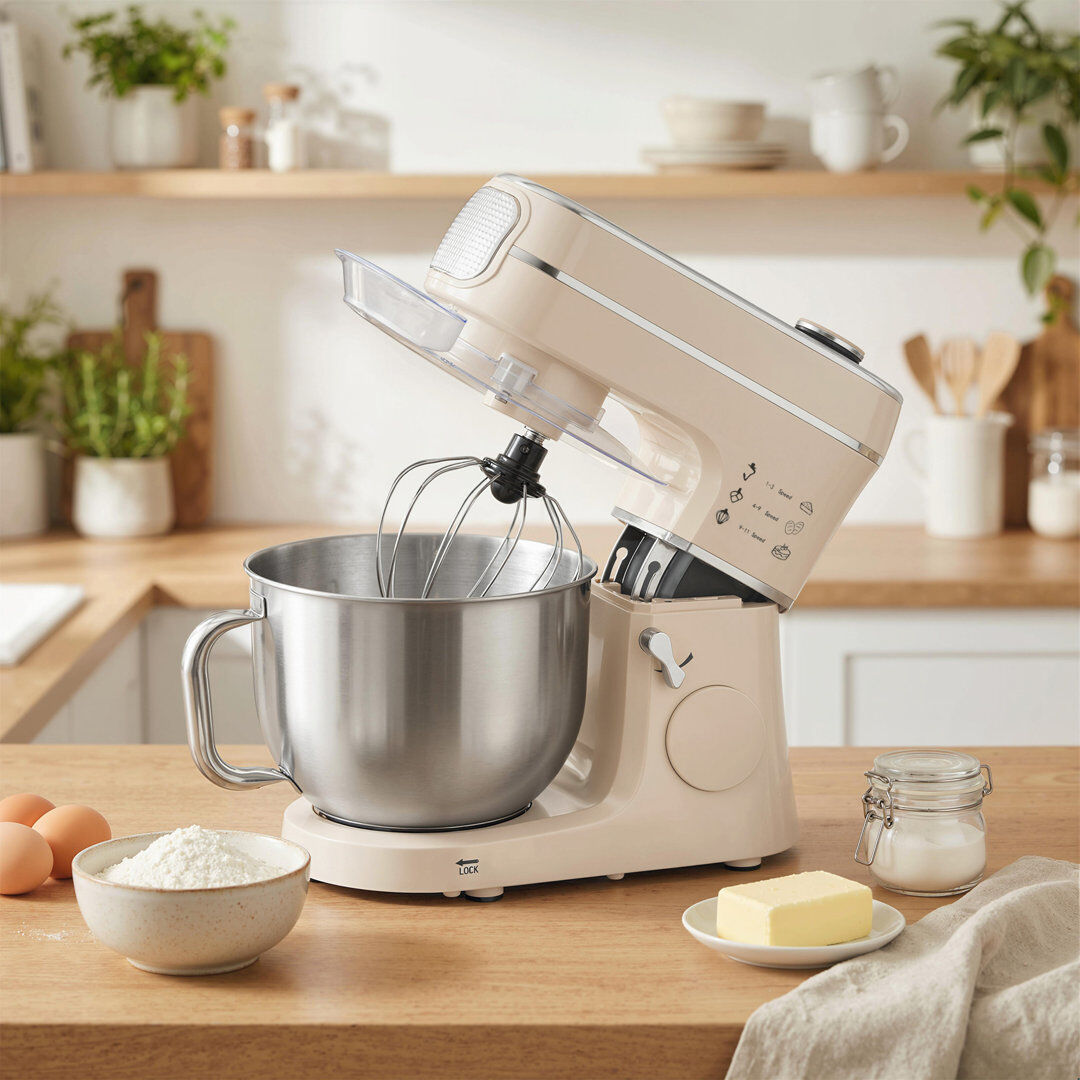
HOMCOM 6L 1400W Stand Mixer with 11 Speeds & Fermentation Function BlackCreate delicious results with ease using the HOMCOM stand mixer. Powered by a 1400 W pure copper motor, it handles dough, cream, and eggs effortlessly, with 11 speeds, a Pulse function, and a fermentation mode for precise control. The generous 6 L stainless steel bowl suits family baking, while the tilt-head design makes mixing and changing attachments simple and smooth. A powerful, stylish helper for everyday baking and special treats alike.- 1400W copper motor ensures effortless mixing, whipping, and kneading tasks; - 11 speeds and pulse mode ensure precise, consistent results; - Spacious 6L bowl suits batch baking or family-sized portions; - Tilt-head design with lock simplifies adding ingredients hands-free; - Anti-slip suction feet keep the mixer stable at all speeds; - LED display and touch control provide clear, intuitive operation; - Dishwasher-safe bowl and attachments make cleaning quick and easy; - Complete accessory set supports versatile and efficient mixing tasks;- Colour: Black; - Material: Aluminium, Non-stick coating, Stainless Steel; - Dimension: 40L x 28W x 40H cm; - Mixing Bowl Volume: 6 L; - Power: 1400W; - Rated Voltage: 220-240V, 50/60Hz; - Cable Length: 1 m; - Item Label: 800-296V70BK; NOTE: The bowl, whisk, dough hook and mixing beater are dishwasher safe, the splash guard is NOT dishwasher safe; HOMCOM Colour: Black79,99 £*Shipping: 0,00 £Secure redirect to the provider
-
HOMCOM 6L 1400W Stand Mixer with 11 Speeds & Fermentation Function CreamCreate delicious results with ease using the HOMCOM stand mixer. Powered by a 1400 W pure copper motor, it handles dough, cream, and eggs effortlessly, with 11 speeds, a Pulse function, and a fermentation mode for precise control. The generous 6 L stainless steel bowl suits family baking, while the tilt-head design makes mixing and changing attachments simple and smooth. A powerful, stylish helper for everyday baking and special treats alike.- 1400W copper motor ensures effortless mixing, whipping, and kneading tasks; - 11 speeds and pulse mode ensure precise, consistent results; - Spacious 6L bowl suits batch baking or family-sized portions; - Tilt-head design with lock simplifies adding ingredients hands-free; - Anti-slip suction feet keep the mixer stable at all speeds; - LED display and touch control provide clear, intuitive operation; - Dishwasher-safe bowl and attachments make cleaning quick and easy; - Complete accessory set supports versatile and efficient mixing tasks;- Colour: Black; - Material: Aluminium, Non-stick coating, Stainless Steel; - Dimension: 40L x 28W x 40H cm; - Mixing Bowl Volume: 6 L; - Power: 1400W; - Rated Voltage: 220-240V, 50/60Hz; - Cable Length: 1 m; - Item Label: 800-296V70BK; NOTE: The bowl, whisk, dough hook and mixing beater are dishwasher safe, the splash guard is NOT dishwasher safe; HOMCOM Colour: Cream94,99 £*Shipping: 0,00 £Secure redirect to the provider
-
What is the reaction equation for the fermentation of wine?
The reaction equation for the fermentation of wine is: C6H12O6 (glucose) → 2 C2H5OH (ethanol) + 2 CO2 (carbon dioxide) This equation represents the conversion of glucose into ethanol and carbon dioxide by yeast during the fermentation process. This reaction is the basis for the production of alcoholic beverages such as wine. **
-
Can I stop the fermentation of homemade wine by heating it?
Heating homemade wine to a high temperature can stop the fermentation process by killing the yeast responsible for fermentation. However, it is important to note that heating the wine can also alter its flavor and aroma, potentially resulting in a less desirable final product. It is recommended to use other methods such as adding sulfites or cold stabilization to stop fermentation while preserving the wine's quality. **
-
How much yeast is needed for 11 kilograms of wine fermentation?
The amount of yeast needed for wine fermentation can vary depending on the specific recipe and the type of yeast being used. However, a general guideline is to use about 1 gram of yeast per liter of wine. So for 11 kilograms (or 11,000 grams) of wine, you would need approximately 11,000 grams of yeast. It's important to note that this is a rough estimate and the specific amount of yeast needed may vary based on the specific requirements of the wine recipe and the type of yeast being used. **
-
What is alcoholic fermentation?
Alcoholic fermentation is a metabolic process carried out by yeast and some bacteria in the absence of oxygen. During this process, sugars such as glucose are converted into ethanol and carbon dioxide, along with energy in the form of adenosine triphosphate (ATP). This process is commonly used in the production of alcoholic beverages such as beer, wine, and spirits. **
* All prices are inclusive of VAT and, if applicable, plus shipping costs. The offer information is based on the details provided by the respective shop and is updated through automated processes. Real-time updates do not occur, so deviations can occur in individual cases. ** Note: Parts of this content were created by AI.