Buy darios.eu ?
We are moving the project
darios.eu .
Are you interested in purchasing the domain
darios.eu ?
domain@kv-gmbh.de · 0541-91531010
Buy darios.eu ?
What are your experiences with variegated plant lights?
I don't have personal experience with variegated plant lights, but I have seen them used in indoor gardening and plant care. Variegated plant lights are designed to provide specific wavelengths of light that are beneficial for plants, promoting healthy growth and vibrant colors. They are often used to supplement natural light or to provide light for plants in indoor spaces with limited sunlight. From what I have seen, variegated plant lights can be effective in supporting the growth and health of a variety of plants, particularly those that require specific light conditions. **
How can a natural green area be maintained without irrigation?
A natural green area can be maintained without irrigation by choosing native plants that are well-adapted to the local climate and soil conditions. These plants are more likely to survive and thrive without the need for additional watering. Additionally, using organic mulch can help retain moisture in the soil and reduce the need for irrigation. Proper soil preparation, such as adding organic matter and improving drainage, can also help plants access water more effectively. Finally, regular maintenance practices such as weeding, pruning, and monitoring for pests and diseases can help ensure the health and vitality of the natural green area without relying on irrigation. **


Similar search terms for Nearly-Natural-Green-Variegated
Top-Angebote
Products related to Nearly-Natural-Green-Variegated:
-
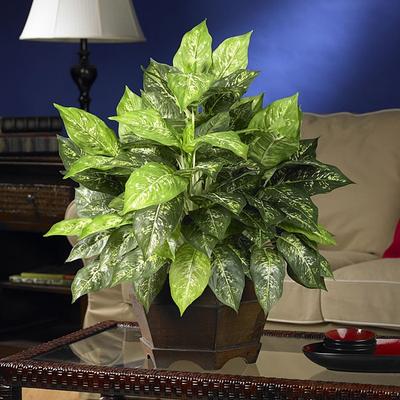
Nearly Natural Variegated Hosta Artificial Plant (Set of 6)Rich green leaves gradually fade to a lighter shade at their edges with this variegated hosta artificial bush. Since it comes in a of six, you can create a fuller, lush arrangement by settling them together in a decorative brown planter.63,99 $*Shipping: 0,00 $Secure redirect to the provider



-
What color are green or black olives?
Green olives are typically light to dark green in color, while black olives are a deep purple to black color. The color of olives can vary depending on the ripeness of the fruit and the processing methods used. Both green and black olives are popular in Mediterranean cuisine and are enjoyed for their distinct flavors and textures. **
-
With what are green olives dyed black?
Green olives are dyed black using a process called lye-curing. This involves soaking the olives in a lye solution, which reacts with the natural compounds in the olives to turn them black. The olives are then fermented and brined to develop their flavor and texture. This process is commonly used to create black olives from green olives, which are naturally green when harvested. **
-
What is better, green or black olives?
The preference between green and black olives is subjective and varies from person to person. Green olives are typically more bitter and tangy, while black olives are milder and have a richer flavor. Some people may prefer the briny taste of green olives, while others may enjoy the smoother taste of black olives. Ultimately, the choice between green and black olives comes down to personal taste. **
-
What are green olives dyed black with?
Green olives are dyed black with a food-grade coloring agent called ferrous gluconate. This substance reacts with the natural compounds in the olives to produce a black color. The process of dyeing green olives black is done to meet consumer preferences for the appearance of the olives, as the natural black olives can be more expensive and less readily available. However, it is important to note that the dyeing process does not affect the taste or nutritional value of the olives. **


Can't you heat green olives in the microwave?
Yes, you can heat green olives in the microwave. Place the olives in a microwave-safe dish and heat them for 30-60 seconds, or until they reach your desired temperature. Be sure to cover the dish with a microwave-safe lid or paper towel to prevent splattering. Keep an eye on the olives while they heat to avoid overcooking them. Enjoy your warm green olives as a delicious snack or as part of a meal. **
What must be done to grow a variegated and panaschiered plant?
To grow a variegated and panaschiered plant, it is important to provide the plant with the right amount of light, water, and nutrients. Variegated plants require bright, indirect light to maintain their unique color patterns, while panaschiered plants need regular pruning to encourage new growth and maintain their shape. Additionally, it is important to use well-draining soil and avoid overwatering to prevent root rot. Regular fertilization with a balanced fertilizer can also help promote healthy growth and vibrant colors in variegated and panaschiered plants. **
Top-Angebote
Products related to Nearly-Natural-Green-Variegated:
-
Nearly Natural 4' Variegated Ficus Artificial TreeTwo heads of light green leaves crown a series of lifelike twisted stems with this artificial 4' variegated ficus tree. With an elegant and sophisticated appearance, it's a good piece to add to your bedroom.117,99 $*Shipping: 0,00 $Secure redirect to the provider
-
What are your experiences with variegated plant lights?
I don't have personal experience with variegated plant lights, but I have seen them used in indoor gardening and plant care. Variegated plant lights are designed to provide specific wavelengths of light that are beneficial for plants, promoting healthy growth and vibrant colors. They are often used to supplement natural light or to provide light for plants in indoor spaces with limited sunlight. From what I have seen, variegated plant lights can be effective in supporting the growth and health of a variety of plants, particularly those that require specific light conditions. **
-
How can a natural green area be maintained without irrigation?
A natural green area can be maintained without irrigation by choosing native plants that are well-adapted to the local climate and soil conditions. These plants are more likely to survive and thrive without the need for additional watering. Additionally, using organic mulch can help retain moisture in the soil and reduce the need for irrigation. Proper soil preparation, such as adding organic matter and improving drainage, can also help plants access water more effectively. Finally, regular maintenance practices such as weeding, pruning, and monitoring for pests and diseases can help ensure the health and vitality of the natural green area without relying on irrigation. **
-
What color are green or black olives?
Green olives are typically light to dark green in color, while black olives are a deep purple to black color. The color of olives can vary depending on the ripeness of the fruit and the processing methods used. Both green and black olives are popular in Mediterranean cuisine and are enjoyed for their distinct flavors and textures. **
-
With what are green olives dyed black?
Green olives are dyed black using a process called lye-curing. This involves soaking the olives in a lye solution, which reacts with the natural compounds in the olives to turn them black. The olives are then fermented and brined to develop their flavor and texture. This process is commonly used to create black olives from green olives, which are naturally green when harvested. **
Similar search terms for Nearly-Natural-Green-Variegated
-
Nearly Natural Variegated Hosta Artificial Plant (Set of 6)Rich green leaves gradually fade to a lighter shade at their edges with this variegated hosta artificial bush. Since it comes in a of six, you can create a fuller, lush arrangement by settling them together in a decorative brown planter.63,99 $*Shipping: 0,00 $Secure redirect to the provider
-
Nearly Natural "59"" Variegated Ficus Artificial Tree in Decorative Planter"Standing at a height of 59 inches, the variegated ficus artificial tree has many realistic green leaves that sprout out from brown stems. Contained within a decorative planter topped with moss, this tree will brighten up the dark corners of your home.176,24 $*Shipping: 0,00 $Secure redirect to the provider
-
Nearly Natural "70"" Variegated Ficus Artificial Tree UV Resistant (Indoor/Outdoor) - 6"""Make an elegant statement in your living areas with this Ficus Artificial Tree. A symphony of variegated Ficus leaves ranging from light to dark green stem from thin, easy to bend branches, creating a full look.188,49 $*Shipping: 0,00 $Secure redirect to the provider
-
What is better, green or black olives?
The preference between green and black olives is subjective and varies from person to person. Green olives are typically more bitter and tangy, while black olives are milder and have a richer flavor. Some people may prefer the briny taste of green olives, while others may enjoy the smoother taste of black olives. Ultimately, the choice between green and black olives comes down to personal taste. **
-
What are green olives dyed black with?
Green olives are dyed black with a food-grade coloring agent called ferrous gluconate. This substance reacts with the natural compounds in the olives to produce a black color. The process of dyeing green olives black is done to meet consumer preferences for the appearance of the olives, as the natural black olives can be more expensive and less readily available. However, it is important to note that the dyeing process does not affect the taste or nutritional value of the olives. **
-
Can't you heat green olives in the microwave?
Yes, you can heat green olives in the microwave. Place the olives in a microwave-safe dish and heat them for 30-60 seconds, or until they reach your desired temperature. Be sure to cover the dish with a microwave-safe lid or paper towel to prevent splattering. Keep an eye on the olives while they heat to avoid overcooking them. Enjoy your warm green olives as a delicious snack or as part of a meal. **
-
What must be done to grow a variegated and panaschiered plant?
To grow a variegated and panaschiered plant, it is important to provide the plant with the right amount of light, water, and nutrients. Variegated plants require bright, indirect light to maintain their unique color patterns, while panaschiered plants need regular pruning to encourage new growth and maintain their shape. Additionally, it is important to use well-draining soil and avoid overwatering to prevent root rot. Regular fertilization with a balanced fertilizer can also help promote healthy growth and vibrant colors in variegated and panaschiered plants. **
* All prices are inclusive of VAT and, if applicable, plus shipping costs. The offer information is based on the details provided by the respective shop and is updated through automated processes. Real-time updates do not occur, so deviations can occur in individual cases. ** Note: Parts of this content were created by AI.