Buy darios.eu ?
We are moving the project
darios.eu .
Are you interested in purchasing the domain
darios.eu ?
domain@kv-gmbh.de · 0541-91531010
Buy darios.eu ?
What is used to seal the wine?
Wine is typically sealed using either a cork or a screw cap. Corks have been traditionally used for centuries and are made from the bark of cork oak trees. Screw caps are a more modern alternative that provide an airtight seal and are easier to open and reseal. Both methods are effective at preserving the quality of the wine by keeping oxygen out and maintaining the freshness of the wine. **
How can you seal a wine barrel?
To seal a wine barrel, you can use a combination of methods such as using a bung or stopper to seal the bunghole, wrapping the bunghole with a sealing tape or wax, and ensuring the barrel is stored in a cool, dark place with consistent temperature and humidity levels. It's important to regularly check the seal to ensure it remains intact and reseal if necessary to prevent any air from entering the barrel and affecting the wine inside. Additionally, properly maintaining the barrel by keeping it clean and sanitized can also help in preserving the wine. **

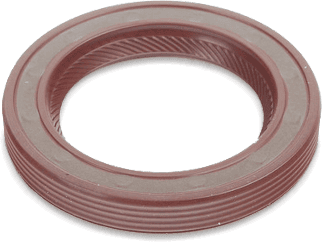
Similar search terms for MAXGEAR-70-0448-Seal-injection
Top-Angebote
Products related to MAXGEAR-70-0448-Seal-injection:
-
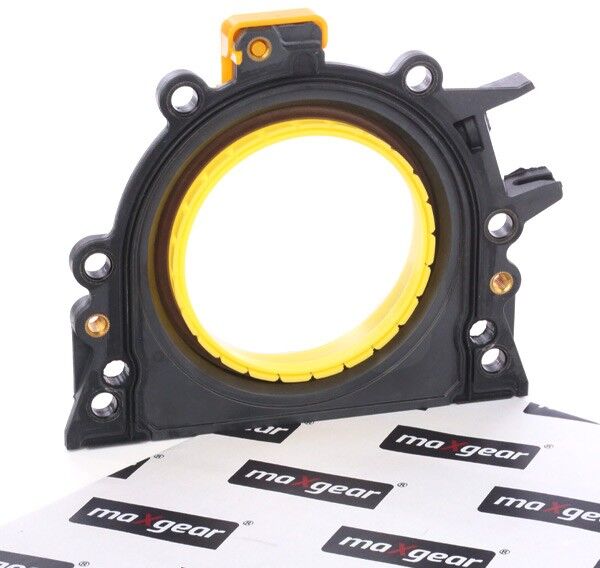
MAXGEAR 70-0054 Crankshaft sealFitting Position: transmission sided; Supplementary Article / Supplementary Info Info 2: with flange; Inner Diameter [mm]: 85; Material: PTFE (polytetrafluoroethylene), ACM (Polyacrylate); Required quantity: 1; Weight [kg]: 0,23; TecDoc Engine Number: 22639, 23178, 24441, 23180, 24450, 24451, 22670, 22671, 24473, 24474, 22638, 23585, 22678, 23179, 24600, 24315, 23587, 24598, 24839, 24871, 24870, 22661, 24939, 24943, 21661, 24835, 24366, 23312, 23589, 25403, 25404, 25415, 33129, 25416, 25417, 30982, 25418, 23929, 24941, 24949, 25438, 24314, 25662, 22662, 25727, 25729, 23859, 23938, 23858, 25728, 25739, 25764, 26334, 24994, 20828, 41187, 20825, 24326, 21070, 20799, 22176, 20949, 20798, 25102, 20598, 22715, 22674, 24333, 20939, 23857, 24125, 26329, 26331, 26330, 24963, 20597, 23939, 26714, 20602, 26713, 21118, 24948, 25767, 23591, 20944, 21109, 20864, 22243, 26497, 22244, 26498, 22669, 27013, 25704, 23590, 23414, 24471, 23934, 23584, 23586, 20905, 23588, 24402, 26995, 31393, 27985, 2800222,49 £*Shipping: 8,45 £Secure redirect to the provider
-
MAXGEAR 70-0055 Crankshaft sealFitting Position: transmission sided; Supplementary Article / Supplementary Info Info 2: with flange; Material: PTFE (polytetrafluoroethylene); Engine Number from: CAXA010452, BMY033816; TecDoc Engine Number: 20606, 22222, 27527, 25702, 24449, 23520, 24312, 26574, 26695, 24834, 24937, 25659, 23928, 25189, 25401, 25408, 20715, 24385, 24386, 24951, 25468, 25703, 25705, 25748, 25747, 25749, 25763, 16386, 24980, 24981, 20791, 18909, 18910, 22174, 24838, 20734, 22452, 26573, 20488, 23936, 23096, 26920, 26338, 26919, 23103, 21592, 23095, 26916, 26918, 27017, 24000, 27355, 24217, 27361, 26643, 22173, 26629, 27223; Vehicle Identification Number (VIN) from: 2K7057340/CADDY, 1K7B083210/GOLF, 1K7P015320/GOLF, 1K7U015106/GOLF, 1K7W102691/GOLF, 2K7057340, 1K7U015406/GOLF, 1K7555017/GOLF+, 9N7B002501/POLO, 9N7D033501/POLO, 9N7U010501/POLO, 9N7Y085501/POLO, 1K7555017, 1K7B083210, 1K7P015320, 1K7U015406, 1K7W102691, 9N7B002501, 9N7D033501, 9N7U010501, 9N7Y08550129,49 £*Shipping: 8,45 £Secure redirect to the provider
-
MAXGEAR 70-0056 Crankshaft sealFitting Position: Rear; Fitting Position: transmission sided; Supplementary Article / Supplementary Info Info 2: with flange; Material: PTFE (polytetrafluoroethylene); Width [mm]: 16; TecDoc Engine Number: 22180, 20780, 24313, 10816, 14128, 14148, 22691, 9450, 9451, 12848, 15611, 5074, 9990, 11588, 12488, 12509, 13269, 16200, 5556, 16254, 16255, 23937, 22665, 12950, 12951, 9518, 14029, 15329, 15465, 15350, 17166, 15748, 15466, 16743, 15148, 15345, 15475, 18137, 16068, 17912, 17040, 17035, 16872, 17406, 17404, 17405, 18199, 18200, 18201, 17081, 18134, 17985, 17986, 18912, 18468, 18469, 20710, 17353, 17354, 18266, 18267, 18101, 18102, 20518, 20519, 20393, 20394, 23090, 24325, 20900, 24599; Vehicle Identification Number (VIN) to: 4B3075000/A6; Vehicle Identification Number (VIN) from: 4B4090001/A6, 8E4259001/A4, 8P415800115,99 £*Shipping: 8,45 £Secure redirect to the provider

-
With what do you seal the wine?
The wine is typically sealed with a cork. Corks are commonly used to seal wine bottles as they provide an airtight seal, which helps to preserve the wine and prevent oxidation. Additionally, corks are a traditional and natural material that is easy to insert and remove from the bottle. Some winemakers may also use alternative closures such as screw caps or synthetic corks. **
-
What is better: direct injection or intake manifold injection?
Direct injection is generally considered better than intake manifold injection because it allows for more precise fuel delivery, resulting in improved fuel efficiency and power output. Direct injection also reduces the risk of carbon buildup on the intake valves, which can be a common issue with intake manifold injection. Additionally, direct injection allows for better control over the air-fuel mixture, leading to cleaner emissions. Overall, direct injection is the preferred choice for modern engines due to its superior performance and efficiency. **
-
How does the fat-dissolving injection or injection lipolysis work?
The fat-dissolving injection, also known as injection lipolysis, works by injecting a solution directly into the targeted area of fat. This solution contains a synthetic form of deoxycholic acid, which is a naturally occurring substance in the body that helps break down and absorb dietary fat. Once injected, the solution breaks down the fat cells, causing them to rupture and be eliminated by the body's natural processes. Over time, the treated area will appear slimmer and more contoured as the fat cells are gradually removed. **
-
What is the difference between multipoint injection and direct injection?
Multipoint injection, also known as port fuel injection, involves injecting fuel into the intake ports of each cylinder. This allows for better fuel atomization and mixing with air before entering the combustion chamber. On the other hand, direct injection injects fuel directly into the combustion chamber, resulting in more precise control over fuel delivery and better fuel efficiency. Direct injection also allows for higher compression ratios and better power output compared to multipoint injection. **
Seal weight
Seal weight refers to the average weight of a seal, which can vary depending on the species. For example, a harbor seal typically weighs between 100-300 pounds, while an elephant seal can weigh up to 8,800 pounds. The weight of a seal is important for understanding their biology, behavior, and conservation needs. Monitoring seal weight can also help researchers track population health and changes in their environment. **
What is injection fluid?
Injection fluid is a substance that is injected into a system or a material for various purposes such as lubrication, cleaning, or preservation. It is commonly used in industries like oil and gas, automotive, and manufacturing to improve the performance or longevity of equipment. Injection fluids can come in different forms such as oils, solvents, or chemical solutions, depending on the specific application. **
Top-Angebote
Products related to MAXGEAR-70-0448-Seal-injection:
-
MAXGEAR 70-0358 Crankshaft sealMaterial: PTFE (polytetrafluoroethylene); Fitting Position: frontal sided; TecDoc Engine Number: 30261, 33096, 39486, 40242, 30650, 33122, 33118, 31371, 33099, 39554, 27260, 29194, 29192, 27261, 37139, 33070, 27959, 30797, 33108, 28019, 27262, 36726, 28213, 32774, 27202, 27196, 34063, 27961, 27962, 28095, 34422, 32536, 27965, 32295, 34423, 34421, 33493, 27963, 28098, 31432, 27263, 35545, 35544, 27960, 40241, 34096, 34066, 26724, 29213, 33137, 33133, 33136, 26725, 33895, 27198, 31407, 34412, 27197, 27811, 30582, 34886, 35172, 35173, 27958, 31521, 31523, 29264, 27964, 27972, 34416, 35124, 27971, 27970, 27978, 34424, 35345, 26722, 33132, 28036, 29305, 29186, 28040, 35174, 28311, 31334, 31335, 28003, 32597, 33110, 31372, 31373, 38558, 33476, 30937, 31400, 34668, 31807, 30260, 29836, 33109, 29841, 32772, 29842, 31778, 32468, 30258, 33116, 33117, 30259, 31341, 33120, 30929, 33119, 31777, 31653, 31654, 33915, 33916, 31655, 31656, 31652, 31651, 31239, 32601, 32532, 31240, 32527, 31241, 32602, 32531, 31317, 44865, 31318, 44864, 31329, 31364, 34735, 30995, 33098, 38572, 33092, 31428, 33097, 36668, 31429, 33093, 33127, 32028, 32029, 32030, 32031, 32032, 33492, 34862, 33068, 36072, 34419, 34186, 45418, 34187, 45420, 34188, 45407, 34061, 35339, 34415, 37274, 37174, 33135, 36163, 34496, 45417, 34497, 45421, 34499, 45408, 34665, 35062, 35117, 48397, 38699, 44863, 38725, 4486719,49 £*Shipping: 8,45 £Secure redirect to the provider
-
MAXGEAR 70-0054 Crankshaft sealFitting Position: transmission sided; Supplementary Article / Supplementary Info Info 2: with flange; Inner Diameter [mm]: 85; Material: PTFE (polytetrafluoroethylene), ACM (Polyacrylate); Required quantity: 1; Weight [kg]: 0,23; TecDoc Engine Number: 22639, 23178, 24441, 23180, 24450, 24451, 22670, 22671, 24473, 24474, 22638, 23585, 22678, 23179, 24600, 24315, 23587, 24598, 24839, 24871, 24870, 22661, 24939, 24943, 21661, 24835, 24366, 23312, 23589, 25403, 25404, 25415, 33129, 25416, 25417, 30982, 25418, 23929, 24941, 24949, 25438, 24314, 25662, 22662, 25727, 25729, 23859, 23938, 23858, 25728, 25739, 25764, 26334, 24994, 20828, 41187, 20825, 24326, 21070, 20799, 22176, 20949, 20798, 25102, 20598, 22715, 22674, 24333, 20939, 23857, 24125, 26329, 26331, 26330, 24963, 20597, 23939, 26714, 20602, 26713, 21118, 24948, 25767, 23591, 20944, 21109, 20864, 22243, 26497, 22244, 26498, 22669, 27013, 25704, 23590, 23414, 24471, 23934, 23584, 23586, 20905, 23588, 24402, 26995, 31393, 27985, 2800222,49 £*Shipping: 8,45 £Secure redirect to the provider
-
MAXGEAR 70-0055 Crankshaft sealFitting Position: transmission sided; Supplementary Article / Supplementary Info Info 2: with flange; Material: PTFE (polytetrafluoroethylene); Engine Number from: CAXA010452, BMY033816; TecDoc Engine Number: 20606, 22222, 27527, 25702, 24449, 23520, 24312, 26574, 26695, 24834, 24937, 25659, 23928, 25189, 25401, 25408, 20715, 24385, 24386, 24951, 25468, 25703, 25705, 25748, 25747, 25749, 25763, 16386, 24980, 24981, 20791, 18909, 18910, 22174, 24838, 20734, 22452, 26573, 20488, 23936, 23096, 26920, 26338, 26919, 23103, 21592, 23095, 26916, 26918, 27017, 24000, 27355, 24217, 27361, 26643, 22173, 26629, 27223; Vehicle Identification Number (VIN) from: 2K7057340/CADDY, 1K7B083210/GOLF, 1K7P015320/GOLF, 1K7U015106/GOLF, 1K7W102691/GOLF, 2K7057340, 1K7U015406/GOLF, 1K7555017/GOLF+, 9N7B002501/POLO, 9N7D033501/POLO, 9N7U010501/POLO, 9N7Y085501/POLO, 1K7555017, 1K7B083210, 1K7P015320, 1K7U015406, 1K7W102691, 9N7B002501, 9N7D033501, 9N7U010501, 9N7Y08550129,49 £*Shipping: 8,45 £Secure redirect to the provider
-
What is used to seal the wine?
Wine is typically sealed using either a cork or a screw cap. Corks have been traditionally used for centuries and are made from the bark of cork oak trees. Screw caps are a more modern alternative that provide an airtight seal and are easier to open and reseal. Both methods are effective at preserving the quality of the wine by keeping oxygen out and maintaining the freshness of the wine. **
-
How can you seal a wine barrel?
To seal a wine barrel, you can use a combination of methods such as using a bung or stopper to seal the bunghole, wrapping the bunghole with a sealing tape or wax, and ensuring the barrel is stored in a cool, dark place with consistent temperature and humidity levels. It's important to regularly check the seal to ensure it remains intact and reseal if necessary to prevent any air from entering the barrel and affecting the wine inside. Additionally, properly maintaining the barrel by keeping it clean and sanitized can also help in preserving the wine. **
-
With what do you seal the wine?
The wine is typically sealed with a cork. Corks are commonly used to seal wine bottles as they provide an airtight seal, which helps to preserve the wine and prevent oxidation. Additionally, corks are a traditional and natural material that is easy to insert and remove from the bottle. Some winemakers may also use alternative closures such as screw caps or synthetic corks. **
-
What is better: direct injection or intake manifold injection?
Direct injection is generally considered better than intake manifold injection because it allows for more precise fuel delivery, resulting in improved fuel efficiency and power output. Direct injection also reduces the risk of carbon buildup on the intake valves, which can be a common issue with intake manifold injection. Additionally, direct injection allows for better control over the air-fuel mixture, leading to cleaner emissions. Overall, direct injection is the preferred choice for modern engines due to its superior performance and efficiency. **
Similar search terms for MAXGEAR-70-0448-Seal-injection
-
MAXGEAR 70-0056 Crankshaft sealFitting Position: Rear; Fitting Position: transmission sided; Supplementary Article / Supplementary Info Info 2: with flange; Material: PTFE (polytetrafluoroethylene); Width [mm]: 16; TecDoc Engine Number: 22180, 20780, 24313, 10816, 14128, 14148, 22691, 9450, 9451, 12848, 15611, 5074, 9990, 11588, 12488, 12509, 13269, 16200, 5556, 16254, 16255, 23937, 22665, 12950, 12951, 9518, 14029, 15329, 15465, 15350, 17166, 15748, 15466, 16743, 15148, 15345, 15475, 18137, 16068, 17912, 17040, 17035, 16872, 17406, 17404, 17405, 18199, 18200, 18201, 17081, 18134, 17985, 17986, 18912, 18468, 18469, 20710, 17353, 17354, 18266, 18267, 18101, 18102, 20518, 20519, 20393, 20394, 23090, 24325, 20900, 24599; Vehicle Identification Number (VIN) to: 4B3075000/A6; Vehicle Identification Number (VIN) from: 4B4090001/A6, 8E4259001/A4, 8P415800115,99 £*Shipping: 8,45 £Secure redirect to the provider
-
How does the fat-dissolving injection or injection lipolysis work?
The fat-dissolving injection, also known as injection lipolysis, works by injecting a solution directly into the targeted area of fat. This solution contains a synthetic form of deoxycholic acid, which is a naturally occurring substance in the body that helps break down and absorb dietary fat. Once injected, the solution breaks down the fat cells, causing them to rupture and be eliminated by the body's natural processes. Over time, the treated area will appear slimmer and more contoured as the fat cells are gradually removed. **
-
What is the difference between multipoint injection and direct injection?
Multipoint injection, also known as port fuel injection, involves injecting fuel into the intake ports of each cylinder. This allows for better fuel atomization and mixing with air before entering the combustion chamber. On the other hand, direct injection injects fuel directly into the combustion chamber, resulting in more precise control over fuel delivery and better fuel efficiency. Direct injection also allows for higher compression ratios and better power output compared to multipoint injection. **
-
Seal weight
Seal weight refers to the average weight of a seal, which can vary depending on the species. For example, a harbor seal typically weighs between 100-300 pounds, while an elephant seal can weigh up to 8,800 pounds. The weight of a seal is important for understanding their biology, behavior, and conservation needs. Monitoring seal weight can also help researchers track population health and changes in their environment. **
-
What is injection fluid?
Injection fluid is a substance that is injected into a system or a material for various purposes such as lubrication, cleaning, or preservation. It is commonly used in industries like oil and gas, automotive, and manufacturing to improve the performance or longevity of equipment. Injection fluids can come in different forms such as oils, solvents, or chemical solutions, depending on the specific application. **
* All prices are inclusive of VAT and, if applicable, plus shipping costs. The offer information is based on the details provided by the respective shop and is updated through automated processes. Real-time updates do not occur, so deviations can occur in individual cases. ** Note: Parts of this content were created by AI.